
🫀 Secrets of the human vessel
The Astonishing Shift in Risk-Taking Behavior Due to Dementia
healthPublished 13 Jan 2026
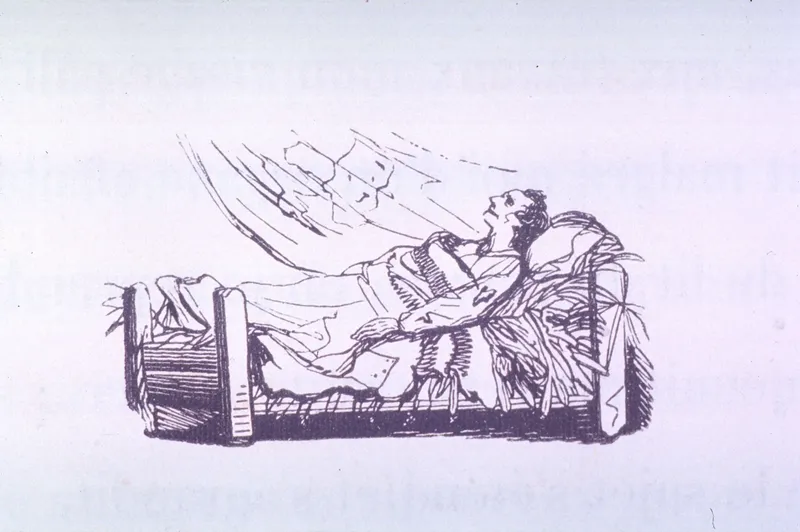
Image by National Library of Medicine — No restrictions
- What: Patients with frontotemporal dementia experience a radical shift toward risk-taking behavior, defying their former cautious personalities.
- Where: Clinical settings observing patients
- When: Contemporary observations of frontotemporal dementia
- How: Cognitive decline leads to impulsive decision-making and a disregard for personal safety.
- Why: This transformation highlights the fragility of human identity and the complex relationship between brain function and behavior.
The Unseen Face of Frontotemporal Dementia
Imagine a life transformed overnight, where a once-cautious individual begins to embrace danger without a second thought. This striking phenomenon is documented in patients suffering from frontotemporal dementia, where the very essence of personality shatters as brain function deteriorates. Clinical observations reveal that some individuals, previously governed by careful decision-making, take astonishing risks, embracing behavior that seems almost unrecognizable. What drives such a radical shift in choice and perception?
Risk-Taking Behaviors Unveiled in Clinical Observations
Diving into the complex world of neuropsychology reveals a sobering reality: the symptoms of frontotemporal dementia may be marked by unsettling variation, complicating diagnosis and treatment. Among these variations, researchers note a notable escalation in risk-taking behaviors. This strange turn manifests not only as a disregard for personal safety but also in impulsive life decisions, starkly contrasting with the individual’s previous personality. The theme phrase "Brain's decay, risk's embrace" captures this paradox, encapsulating how cognitive decline can dismantle established behavioral norms, leading individuals to make decisions they once would have deemed unthinkable. The juxtaposition between a patient’s former self and their transformed persona begs the question: what are the hidden mechanisms at play within the mind as neurons fail?
The Significance of This Transformation Today
As we examine the implications of such transformations in personality, it urges a deeper look into how brain function influences behavior and identity. The reported increase in risk-taking offers a striking lens to observe the fragility of human nature. This truth reverberates in our modern understanding of mental health, reminding us that the mind can shift dramatically under the weight of physical decline. This exploration into frontotemporal dementia invites us to ponder not only the challenges faced by patients and caregivers but also the broader questions of who we are when our cognitive faculties shift. As we reflect on these nuances, it stirs a profound curiosity about the human experience — how we formulate choices, assess risk, and ultimately define our own existence in an ever-changing landscape of the mind.
Did You Know?
Some patients with frontotemporal dementia may display behaviors that are completely opposite to their previous personalities, including a heightened inclination toward risk-taking and impulsive actions.
Variability in symptoms among frontotemporal dementia patients complicates traditional diagnostic practices, making it challenging for clinicians to develop a one-size-fits-all treatment approach.
The relationship between brain function and personality may be debated, with the deterioration observed in frontotemporal dementia forcing medical professionals to reevaluate assumptions about identity and decision-making.
Keep Exploring
CurioWire continues to uncover the world’s hidden histories — one curiosity at a time.