
🫀 Secrets of the human vessel
During the winter solstice, when sunlight is at its shortest, researchers have…
healthPublished 20 Nov 2025
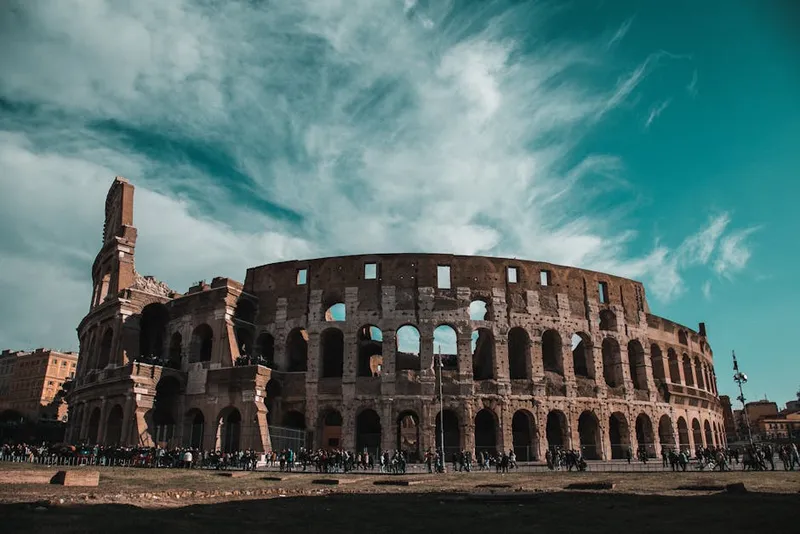
Image courtesy of Pexels
- What: Ancient Romans celebrated the winter solstice with festivals honoring Sol Invictus, the Unconquered Sun.
- Where: Ancient Rome
- When: During the winter solstice
- How: Through grand rituals believed to summon the sun back to the earth, alongside physiological adaptations in the human immune system.
- Why: Understanding these practices sheds light on contemporary health issues like seasonal affective disorder, emphasizing the importance of light for emotional and physical well-being.
How Ancient Romans Embraced Light During Winter's Darkness
In the heart of winter, when sunlight lingers at its briefest, ancient civilizations gathered in joyous celebration. The Romans, among others, hosted grand festivals honoring Sol Invictus, the Unconquered Sun, during this time. Historical records reveal that despite the cold and darkness, these rituals were steeped in hope, as participants believed their ceremonies could summon the sun back to the earth and restore longer days. This age-old connection between darkness and the quest for light unveils a profound irony: even in the bleakest seasons, humans have always sought to harness the power of light for their well-being.
The Immune System's Surprising Seasonal Resilience
Winter's onset does not merely envelop us in chilly air; it also triggers remarkable changes within our bodies. Research from the University of California, San Diego, found that during the winter solstice, our immune systems receive a paradoxical boost, preparing us for the onslaught of cold and flu season. An impressive 20% increase in immune responsiveness was recorded as daylight waned. This heightened immunity is linked to the modulation of hormones like melatonin and cortisol, which play critical roles in maintaining our health. Rather than merely succumbing to the cold's grasp, our bodies adapt to seasonal changes, countering the notion that winter weakness is an inevitable fate. This discovery underscores how we connect physically to the cycles of nature, much like the Romans did with their sun festivals, revealing a shared narrative of resilience against the backdrop of darkness.
Understanding the Persistence of Celebrating Light
The significance of these ancient practices resonates in modern health discussions. Our understanding of seasonal affective disorder (SAD) highlights the emotional and physical toll that winter's gloom can have on many. Just as Romans believed in the transformative power of light, current research supports practices like light therapy as effective means to boost mood and immune function during darker months. In fact, studies indicate that individuals exposed to bright light for even one hour a day during winter months report a significant decrease in depressive symptoms. This continuity from ancient rituals to modern health practices reflects humanity's enduring quest for light and well-being, suggesting that cultivating brightness—whether through sunlight or communal celebration—remains essential for our health.
Did You Know?
Many ancient cultures, including those in Scandinavia, celebrated Yule during the winter solstice, honoring the rebirth of the sun with feasts and fires. Despite winter’s chill, studies suggest immune system functionality increases by 20% during the winter solstice. Romans believed celebrating festivals for Sol Invictus would help secure a longer daylight period, illustrating a timeless desire for light.
Keep Exploring
CurioWire continues to uncover the world’s hidden histories — one curiosity at a time.
Sources & References
- University of California, San Diego — Research on seasonal immune response
- The British Museum — Exhibits on ancient Roman festivals
- National Institute of Mental Health — Studies on seasonal affective disorder