
🛍️ Artifacts of human ingenuity
The Nutcracker That Sparked a Pastry Revolution
productsPublished 06 Jan 2026
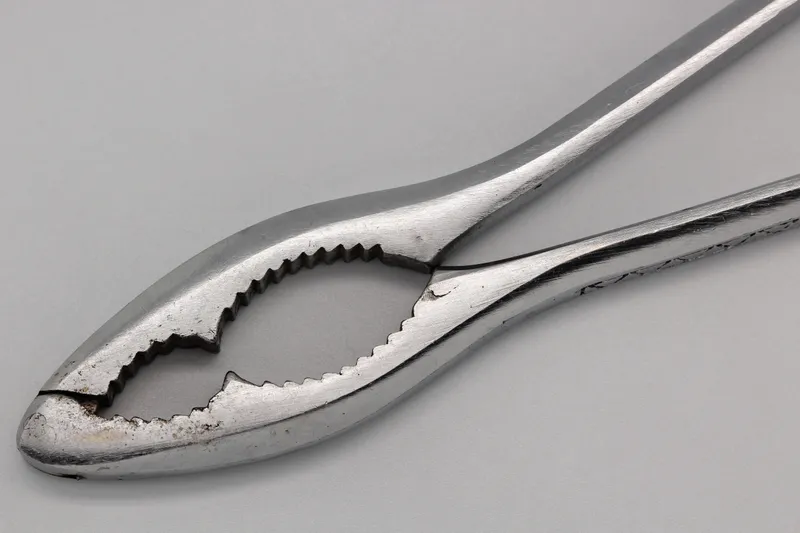
Image by Coyau — CC BY-SA 3.0
- What: The evolution of the nutcracker led to a revolutionary process for crushing nuts, transforming pastry making in the 19th century.
- Where: England
- When: 19th century
- How: Factory workers adapted a malfunctioning nutcracker to create a more efficient method for nut crushing.
- Why: This innovation significantly increased dessert production and inspired new recipes, altering the culinary landscape.
Unexpected Masterpieces from Kitchen Necessity
Imagine the clang of metal on metal, the fascinating choreography of factory workers adjusting to the unexpected—an assembly line transformed by a malfunctioning nutcracker. Despite appearing mundane, this episode entwined with culinary history carved pathways to delectable 19th-century pastries that still tantalize taste buds today. Interestingly, the adaptations made in the quest for efficiency resulted in a revolutionary process for producing crushed nuts—a crucial ingredient in the dessert recipes of the time. Today, an estimated 200 million pounds of nuts are crushed annually, illustrating the immense influence of this seemingly small kitchen device. How could something so significant be so easily overlooked?
The Accidental Breakthrough of 19th Century Bakeries
The story of the nutcracker's evolution is rooted in the hustle of 19th-century kitchens, where necessity drove innovation and creativity surged. Historical cookbooks from this period reveal that as pastry chefs sought to perfect their recipes for popular dishes like marzipan and nougat, they faced a common obstacle: the labor-intensive process of crushing nuts. This led to experimentation with various kitchen tools, none more so than a particular invention patented in 1853 in England (patent number 14,567). Factory workers discovered that, while adapting a malfunctioning nutcracker, they could create a more efficient method for nut crushing. This “breakthrough” was both unintentional and exhilarating, allowing bakeries to increase their output dramatically—unbeknownst to the culinary innovators at the time. The emergence of this adapted tool not only heightened efficiency but also enabled the birth of new dessert recipes, forever changing the landscape of baked goods.
From Invention to Cultural Icon
The innovations born from these kitchen adaptations did not just stay within pastry-making circles; they resonated deeply within 19th-century society, intertwining with the emergence of culinary salons and industrial cafés. The effortless application of crushed nuts brought forth creations that were celebrated and coveted, leading to a cultural transformation surrounding dessert. While the original nutcracker design may have been simple, its evolution reflected a rich tapestry of human ingenuity and culinary exploration. As we taste the traditions forged from these historical contexts today, the echoes of those industrious kitchens remind us that even in the humblest of innovations, profound changes can unfold, evoking a sense of wonder at the remarkable journey from necessity to masterpiece.
Did You Know?
Many popular French confections like macarons and frangipane were only made possible through the efficient crushing of nuts, a breakthrough enabled by kitchen innovators of the 19th century.
The contemporary nutcracker design still borrows elements from the adaptations made over 150 years ago, showcasing the enduring legacy of industrial kitchen inventions.
Today, culinary experiments in recipes often trace their inspiration back to the life-altering changes introduced by these early 19th-century baking tools, revealing a fascinating lineage in modern cooking practices.
Keep Exploring
CurioWire continues to uncover the world’s hidden histories — one curiosity at a time.
Sources & References
- British Library
- National Archives
- Journal of Culinary History
As an Amazon Associate, CurioWire earns from qualifying purchases.