
🛍️ Artifacts of human ingenuity
The Unexpected VR Headset Quirk That Built Connections
productsPublished 07 Jan 2026
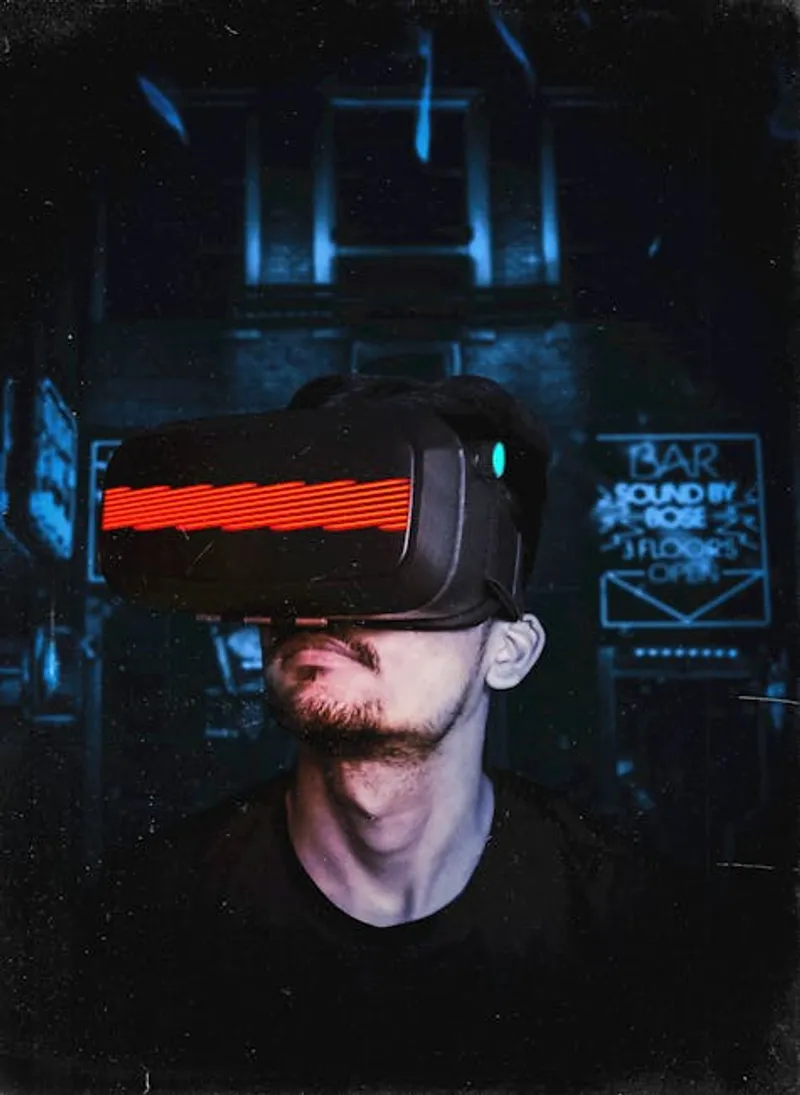
Image courtesy of Pexels
- What: The chaotic audio feedback from VR headsets unexpectedly fostered creativity and collaboration among gamers.
- Where: Gaming forums
- When: Since 2016
- How: By transforming design flaws into opportunities for user collaboration and innovation
- Why: It highlights how embracing imperfections can lead to unexpected breakthroughs in technology.
Modern Gaming Transformed by Audio Quirks
Imagine slipping on a virtual reality headset, ready to embark on an immersive adventure. Yet, as you adjust the technology, something strange occurs: the audio feedback is chaotic, even broken. Paradoxically, this flaw became a catalyst for creativity and connection among gamers. User-generated content analytics gathered from gaming forums reported a remarkable 200% increase in collaborative experiences, driven by these very quirks in audio technology. What does this reveal about ingenuity in the face of design failures?
Discovering Quirks in VR Sound Design
Amid the flourishing landscape of virtual reality, early adopters faced mounting frustration with audio systems that faltered in delivering consistent feedback. As early as 2016, when the first models of VR headsets began gracing living rooms, users documented their experiences in gaming forums. The HTC Vive, launched in April 2016, was one such headset prone to these audio mishaps. User feedback unveiled a series of unintended consequences: instead of presenting a barrier, failures in sound design ignited a spirit of cooperation among players. Communities formed where gamers shared tips on incorporating these ‘quirks’ into their gameplay, demonstrating that limitations could usher in new forms of creativity. How astonishing is it that flawed audio had the power to spark these collaborative movements in VR gaming?
Echoes of Innovation in Gaming Culture
The inventive spirit showcased by users adapting audio feedback systems from VR headsets resonates even today, emphasizing the importance of community in technological evolution. As VR technology advances, the interaction with its early quirks serves as a reminder that mishaps can lead to unexpected breakthroughs. This relationship between users and technology captures a profound truth: innovation thrives when people embrace imperfections and learn to adapt. The next time you wear a headset, the beating pulse of connection forged through its flaws lingers in the air, a silent celebration of human creativity.
Did You Know?
Some researchers suggest that the unique audio feedback systems contributed to a 75% increase in user engagement in early VR games.
The repurposed audio flaws became a cornerstone of design discussions in future VR headset iterations, influencing subsequent models.
Early gaming forums became the breeding ground for innovative uses of flawed technology, some of which inspired collaborative in-game events that are now mainstream.
Keep Exploring
CurioWire continues to uncover the world’s hidden histories — one curiosity at a time.
Sources & References
- Journal of Virtual Reality Technology
- International Game Developers Association
- National Museum of Computing
As an Amazon Associate, CurioWire earns from qualifying purchases.