
🎭 Fragments from the heart of civilization
The Dance Ritual That United a Diverse Community
culturePublished 05 Jan 2026
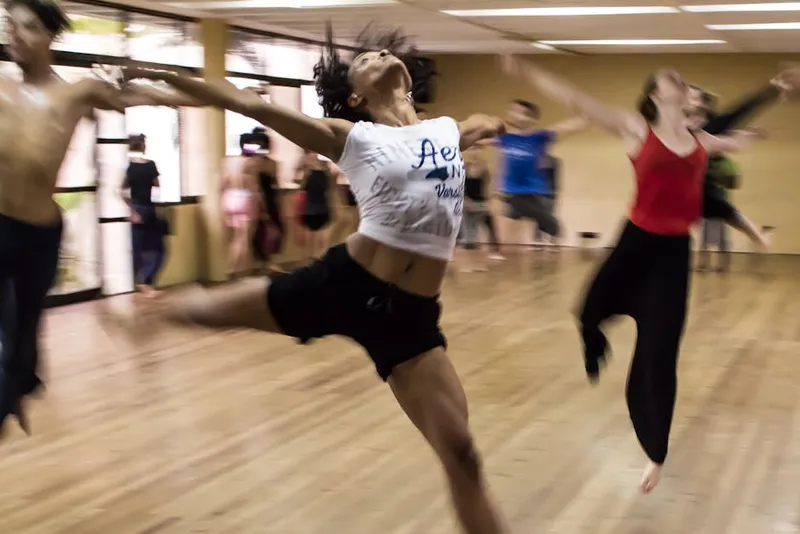
Image courtesy of Pexels
- What: The Harlem Shake is a dance that serves as a vivid tableau of collective movement and cultural expression.
- Where: Harlem, New York City
- When: Originating in the early 1980s
- How: Through a blend of Afrocentric identity and creative exploration, capturing collective memory in motion.
- Why: It matters as a reflection of community identity and the enduring spirit of unity through music and dance.
Dancing Under Neon Lights in New York City
As neon lights flicker and bodies sway in choreographed chaos, the dance known as the Harlem Shake emerges not merely as a spectacle but as a vivid tableau of collective movement. It is crucial to recognize that the term 'Harlem Shake' has been applied to various dance styles over the years. Originating in Harlem during the early 1980s, this vibrant display pulsates with the energy of its environment—its rhythm deeply rooted in the streets it hails from. Here, amidst the urban landscape, the act of dancing transforms into a ritualistic expression of identity, unity, and cultural evolution. Yet, beneath the layers of exuberant chaos lies a deeper narrative waiting to be unveiled, echoing ancient communal practices that resonate with rapture and connection.
A Cultural Tapestry Woven in Motion
The Harlem Shake emerged during a transformative era marked by a resurgence of Afrocentric identity and creative exploration in the late 20th century, particularly during the 1980s. This dance ritual, bubbling with eclectic influences from hip hop to house music, illustrates how movement captures and communicates collective memory. The Global Dance Archive serves as a pivotal resource in tracing how dance forms, like the Harlem Shake, encapsulate various cultural contexts. One astounding element is the intricate relationship between movement and storytelling—much like the significance of narratives in various cultural traditions, where shared experiences and identities are stitched together through performance. Thus, the Harlem Shake is not merely a dance; it encapsulates a history infused with the desires, dreams, and struggles of a vibrant community.
The Pulse of Today’s Digital Dance Culture
Its echo remains because the Harlem Shake transcended its physicality, reinvigorated through digital mediums in the early 2010s, reviving a unique celebration of collective expression. In an age where social media amplifies isolated acts into global phenomena, this dance serves as a reminder of communal ritualism that binds individuals together through shared motion, bridging cultural divides. Today, as individuals join in spontaneous dance, whether in clubs or online, they continue to weave the fabric of shared identities and cultural resonance, revealing the undying spirit of unity that music and movement can create.
Did You Know?
The Harlem Shake was originally a solo dance popularized in Harlem in the 1980s before evolving into a group dance in the early 2000s.
The Global Dance Archive, a vital tool for understanding various dance forms, catalogs over 1,000 dance traditions from around the world, highlighting their cultural significance.
In 2013, a viral video trend using the Harlem Shake gained global attention, showcasing how traditional dance can be transformed and reinterpreted through modern platforms.
Keep Exploring
CurioWire continues to uncover the world’s hidden histories — one curiosity at a time.
Sources & References
- The New York Public Library
- The Smithsonian Institution
- Dance Research Journal