
🎭 Fragments from the heart of civilization
The Layers of Belief That Shaped an Ancient Civilization
culturePublished 06 Jan 2026
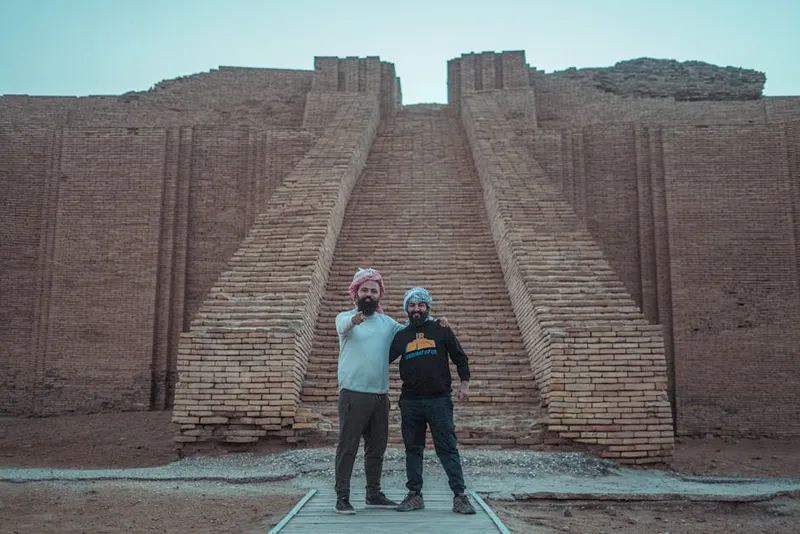
Image courtesy of Pexels
- What: The Ziggurat of Ur reveals an ancient narrative through its architectural layers and clay inscriptions.
- Where: Mesopotamia
- When: Circa 21st century BCE
- How: Through terraced layers and clay tablets that encode Sumerian beliefs and rituals.
- Why: It illustrates the enduring impact of Sumerian culture on modern identity and rituals.
The Ziggurat of Ur and Its Mythic Echoes
Amidst the towering remnants of the Ziggurat of Ur, a colossal structure that once pierced the vast Mesopotamian sky circa the 21st century BCE, lies an ancient narrative sculpted in clay. With each terraced layer, embedded deep within the bricks, lie the mythic echoes of the Sumerians, who envisioned their cosmos through rituals and beliefs, each stratum a chapter of collective identity preserved in time. Here, the air vibrates with the whispers of a civilization whose dreams and fears were etched into the very foundation they built to honor their deities, allowing us to touch an ephemeral connection with those who walked this earth millennia ago.
The Sumerian Art of Storytelling in Architectural Layers
The Ziggurat of Ur serves as a monumental testament to the Sumerians’ cultural heritage, its architectural stratification mirroring their evolving worldviews as reflected in clay inscriptions. Each layer of the edifice tells a story—a narrative intertwined with the gods they revered and the rituals they performed to appease them. The inscriptions found on clay tablets have sparked fervent debates among researchers, revealing how these texts encapsulate societal beliefs that spanned generations while embodying a rich tapestry of shared memory and identity. Remarkably, the Ziggurat was not merely a place of worship; it also functioned as a center of administration and governance, encoding the complexities of Sumerian life into its very structure. The astonishing revelation that these inscriptions could alter our understanding of collective belief systems captivates the imagination: every tablet serves as a time capsule, encapsulating the wisdom of a civilization that sought to harmonize their existence with the rhythms of the cosmos.
The Enduring Legacy of Sumerian Beliefs
Its echo remains because the rituals and narratives of the Sumerians continue to resonate in the collective consciousness of modern culture. From art to music, aspects of their identity echo through myriad cultural expressions, reminding us of our shared quest for meaning and connection. The enduring symbolism of the Ziggurat inspires contemporary artists and scholars alike, influencing how we perceive our own identities and rituals in the face of modernity. This ancient monument, a symbol of elevated spirituality and societal structure, continues to inspire wonder, inviting us to explore our own layers of belief.
Did You Know?
Inscriptions on clay tablets from Ur reveal glimpses into daily life, including economic transactions and literary compositions, reflecting a complex societal structure.
The Ziggurat, dedicated to the moon god Nanna, exemplified the ancient Sumerians' connection to celestial bodies, showcasing their cosmological understanding.
Excavations have uncovered artifacts such as cylinder seals, which decorated these clay tablets, serving as symbols of ownership and identity in Sumerian culture.
Keep Exploring
CurioWire continues to uncover the world’s hidden histories — one curiosity at a time.
Sources & References
- British Museum
- Journal of Near Eastern Studies
- University of Chicago Press