
🌿 Stories carved by wind and water
Life Thrives in the Okavango Delta's Fluctuating Waters
naturePublished 05 Jan 2026
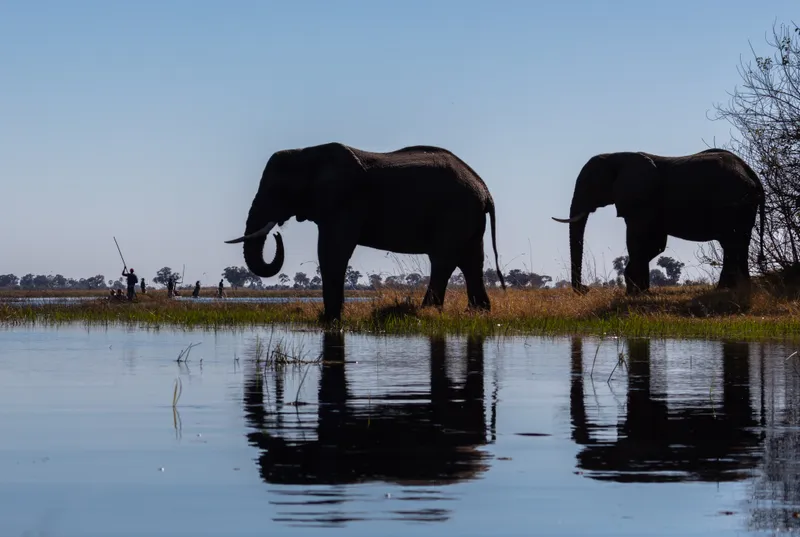
Image by Diego Delso — CC BY-SA 4.0
- What: A vibrant community of fish thrives in the Okavango Delta despite extreme water fluctuations.
- Where: Okavango Delta
- When: Present day
- How: Through remarkable adaptive strategies in response to dramatic changes in water levels.
- Why: Understanding these adaptations can provide insights into broader ecological responses to environmental stress.
Fish Flourish Against All Odds in Remote Lake
In a remote corner of the Okavango Delta, submerged in seasonal floods that seem intent on washing life away, a vibrant community of fish defies nature's whims. Researchers tracking ecological shifts in this unique aquatic labyrinth have documented a staggering resilience among fish populations, despite extreme variations in water levels. In these ever-changing conditions, where some areas flood dramatically while others dry out completely, how do these fish not just survive, but thrive?
Astonishing Biodiversity Amid Water's Caprices
For decades, the Okavango Delta has captivated scientists and nature lovers alike, not only for its breathtaking beauty but also for its ecological mysteries. Long-term ecological monitoring datasets reveal that amidst seasonal inundations, where conventional wisdom suggests life would struggle to persist, a remarkable assortment of fish species has adapted to the Delta’s unpredictable rhythms. From the fiery splash of the red-breasted tilapia to the stealthy glide of the African catfish, these creatures have honed survival strategies that challenge straightforward interpretations of evolutionary success. Why are they able to endure such drastic conditions when many other species are vulnerable to extinction under similar pressures? Researchers have yet to fully grasp the complexities underlying these adaptive mechanisms. The Okavango's fish populations exemplify a paradox: how can life not only endure but flourish where water fluctuates wildly? This question continues to intrigue ecologists, compelling them to reevaluate our understanding of biodiversity and resilience.
The Importance of Understanding Ecosystem Dynamics
The implications of these findings extend far beyond the waters of the Okavango. As climate change exacerbates water fluctuations worldwide, understanding how these fish adapt could lend insight into broader ecological responses to environmental stress. The resilience displayed in this Delta can serve as a model for conserving biodiversity in changing habitats. Each species offers a thread woven into the fabric of a complex ecosystem, revealing how life finds a way even in the precarious balance of nature. As the mysteries of the Delta beckon researchers ever closer, one profound question remains—how many more stories of resilience lie hidden beneath the waves, waiting to be uncovered?
Did You Know?
Fish in the Okavango Delta have adapted to survive extreme variations, with water levels rising and falling dramatically by as much as 10 meters during seasonal floods.
The Delta is home to over 70 different species of fish, each employing unique survival strategies to cope with harsh conditions.
Long-term ecological monitoring has shown that these fish populations not only persist but thrive, revealing intricate relationships with their shifting environment.
Keep Exploring
CurioWire continues to uncover the world’s hidden histories — one curiosity at a time.
Sources & References
- Okavango Delta Research Institute
- Journal of Aquatic Ecosystem Dynamics
- National Geographic Society