
🏺 Recovered from the dusty archives
The Gladiators Who Became Ancient Rome's First Influencers
historyPublished 01 Dec 2025
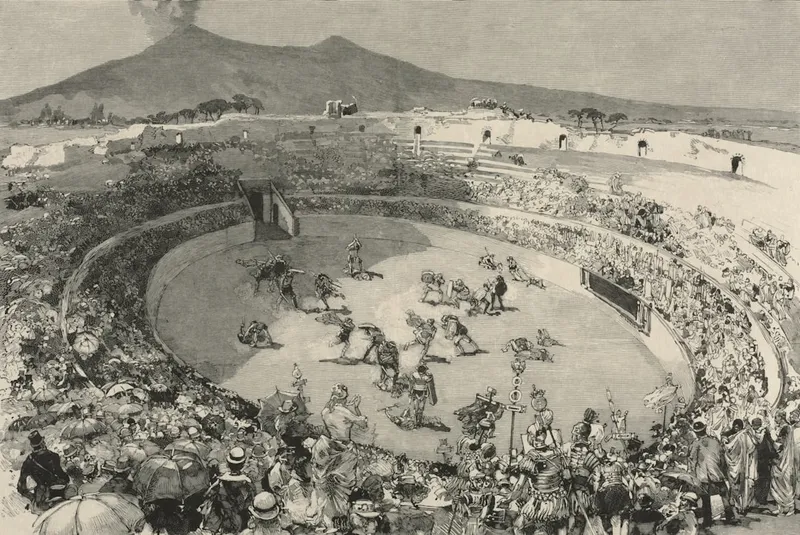
Image courtesy of Unsplash
- What: Gladiators in ancient Rome emerged as the original celebrities, captivating the public and wielding significant influence over societal perceptions.
- Where: Ancient Rome
- When: 1st century BCE
- How: Through their dramatic performances in the arena, gladiators garnered fame that emperors exploited to engage the populace.
- Why: Their legacy mirrors today’s celebrity culture, highlighting a timeless human desire for connection with influential figures.
Unveiling Rome’s Unexpected Celebrity Culture
In the bustling arenas of ancient Rome, where the cheers of thousands echoed, gladiators emerged as the original stars of the public eye. With their lives laid bare before the masses, these warriors captured hearts and minds, transcending mere survival to become the epicenter of social engagement. The intertwining of death and spectacle created not just entertainment, but a fascinating dynamic where fame could invite fortune and influence over the very populace that bled for their glory. How did these gladiators evolve from combatants to icons, earning a cultural resonance that still reverberates today?
The Rise of Gladiatorial Fame and Influence
Gladiators such as Spartacus and Crixus were more than combatants; they were figures of admiration in an age without social media. Records suggest that by the 1st century BCE, they attracted passionate supporters, with people rallying around their favorites. Some gladiators enjoyed a form of popularity that led to the creation of items associated with them, though the concept of merchandise as we know it today is an exaggeration. This phenomenon was so influential that emperors strategically employed these fighters, using their popularity to bolster their own image and engage the public, thus blending entertainment with politics. For instance, Emperor Nero famously utilized the gladiatorial games to engage the populace during times of unrest, demonstrating the power of gladiators in shaping public opinion and culture. As they battled in the arena, they were not merely fighting for survival; they were part of a spectacle that influenced public sentiment.
The Enduring Legacy of Gladiatorial Influence
The reason this matters today is that the enthrallment with gladiators echoes our modern obsession with celebrity culture and social media influencers. Today, just as the people of Rome flocked to the Colosseum, audiences inundate platforms like Instagram and TikTok, eager for updates and intimate glimpses into the lives of their favorite influencers. Current statistics show that influencer marketing in 2021 was a $13.8 billion industry, revealing a deep-seated human need for connection with figures who mirror our aspirations, just as gladiators once did. This connection transcends centuries, showcasing that while mediums may evolve, our craving for narratives and personalities that inspire remains remarkably consistent. It serves as a poignant reminder of how humanity's quest for connection continues to shape our world.
Did You Know?
Before there were social media platforms, gladiators had passionate supporters who rallied around their favorite warriors.
While merchandising in ancient Rome was not as developed as today, some gladiators may have inspired items associated with their fame.
Emperor Nero often showcased gladiatorial combats not only for public entertainment but also as a means to engage and influence public opinion during times of unrest.
Keep Exploring
CurioWire continues to uncover the world’s hidden histories — one curiosity at a time.
Sources & References
- Smithsonian Magazine — "The Gladiators of Ancient Rome: More Than Just Fighters"
- The British Museum — "Gladiatorial Games: A Cultural Phenomenon"
- Journal of Roman Studies — "Spectacle and Society: The Role of Gladiators in Ancient Rome"