
🎭 Fragments from the heart of civilization
The Radical Concept of Time That Reshaped Cultural Perception
culturePublished 29 Nov 2025
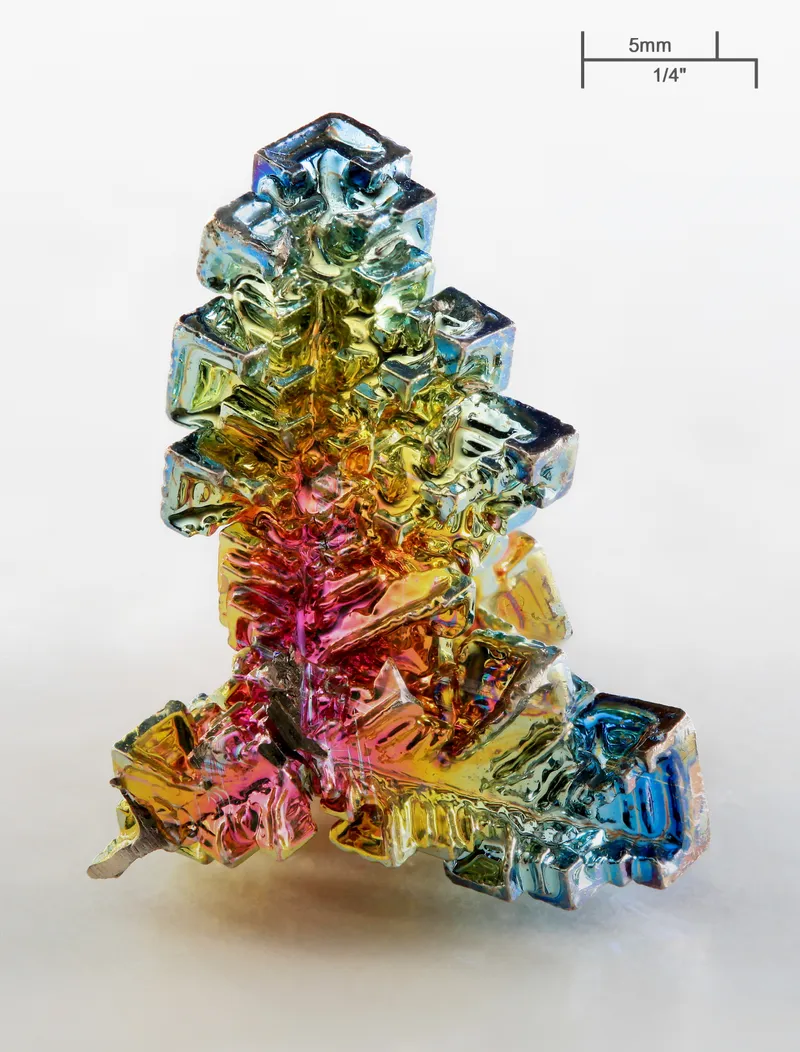
Image via Wikimedia Commons
- What: The concept of "New Earth Time" emerged in the early 20th century, proposing that time could be experienced through the fluidity of personal perception rather than rigid schedules.
- Where: Laboratories in the early 20th-century Western world
- When: 1920s
- How: Early scientists, like Dr. William A. McGowan, envisioned time as a symphonic experience shaped by crystalline vibrations.
- Why: This perspective challenges contemporary notions of time, urging a reevaluation of how we experience and define it in our lives today.
A World Unbound by Clocks
In the early 20th century, amidst the industrial hum of progress, an unusual gathering took place in laboratories echoing with the silent whispers of future possibility. Glass and metal instruments glimmered under flickering gaslight, their surfaces a dance of texture and reflection. Here, scientific minds marinated in curiosity envisioned a world governed not by fixed schedules but by the fluidity of personal experience. Thus, "New Earth Time" was born, a radical notion positing that time could resonate with the vibrations of a crystal rather than the unyielding tick of a clock. This extraordinary idea invited humanity to step lightly into a realm where seconds felt as varied as emotions themselves.
Discovering New Earth Time's Roots
The dawn of "New Earth Time" stemmed from the minds of early scientists like Dr. William A. McGowan, who, in the 1920s, sought to explore time's measurement in more intimate ways. Instead of seconds and minutes, they envisioned time as a symphonic experience, shaped by crystalline vibrations akin to human emotion. In stark contrast to Western linear perspectives—where time relentlessly marches forward—this new understanding infused existence with cyclic beauty, reminiscent of ancient Indigenous concepts where time folds back upon itself, echoing in seasons and moon phases. As cultures globally wove time into their rituals, many embraced the fluidity of experience, questioning the very fabric of identity molded by structured chronology.
Time’s Pulse in Contemporary Culture
The resonance of "New Earth Time" lingers poignantly in our modern consciousness. Its echo remains because it prompts us to reconsider how our societies define time. In art, we see a revival of these themes—installations where light and sound fluctuate, invoking emotional rhythms akin to crystal vibrations. The works of contemporary artist Olafur Eliasson reflect this engagement, blurring lines between time and human perception. By invoking natural elements like light and water, he dismantles the clocks that dictate our lives, inviting viewers to embrace the moment rather than race against time. Here, we grasp that time is not merely a ticking clock but a lived experience, an animated tapestry threaded through personal and collective memories.
Did You Know?
1. Indigenous cultures often perceive time as a cyclical entity, intertwining seasons, rituals, and celestial movements in a continuous loop. 2. The first atomic clock was developed in 1955, measuring time with astonishing precision and revolutionizing our understanding of temporal measurement. 3. The concept of “Daylight Saving Time,” introduced during World War I, illustrates society's ongoing struggle to align human activity with artificial constructs of time.
Keep Exploring
“CurioWire continues to uncover the world’s hidden histories — one curiosity at a time.”
Sources & References
- Smithsonian Institution — Time and Measurement: A Historical Overview
- National Museum of American History — The Evolution of Timekeeping
- Journal of Cultural Studies — The Cyclical Nature of Time in Indigenous Cultures