
🛍️ Artifacts of human ingenuity
The Ancient Undergarment That Redefined Fashion History
productsPublished 20 Nov 2025
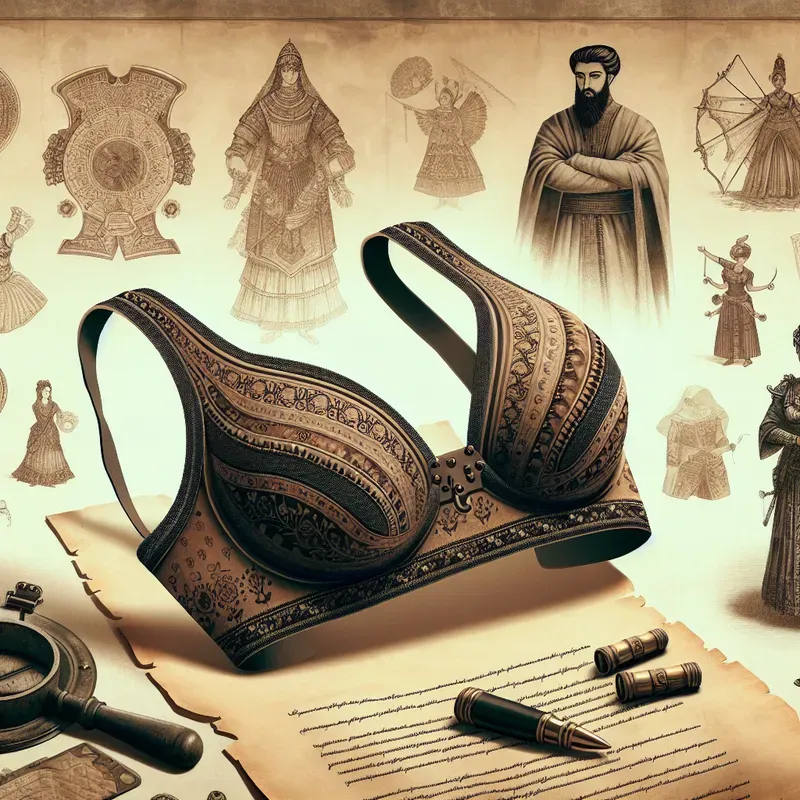
Illustration by DALL·E 3
- What: The oldest known bra, discovered in a burial site in Austria, dates back to the 14th century and challenges our understanding of medieval clothing.
- Where: Austria
- When: 14th century
- How: The bra, made from linen and wool, was found with the remains of a young woman, highlighting the significance of undergarments in historical fashion.
- Why: This discovery reshapes our understanding of women's fashion and agency in history, illustrating their choices between comfort and societal expectations.
The Unexpected Discovery Beneath Layers of Time
Imagine a delicate piece of fabric, unearthed from a burial site in Austria, that challenges our understanding of medieval clothing. This remarkable textile, a bra, dates back to the 14th century and whispers tales from a time long gone. Each year, millions of modern undergarments are produced, yet this centuries-old discovery reveals a deeper narrative woven into the fabric of history. It blurs the boundaries of what we perceive as ancient fashion, beckoning us to explore its origins and significance.
A Glimpse into Medieval Wardrobe Innovations
Uncovered in 2008 at a burial site in the city of Stein, the oldest known bra has transformed our perception of medieval undergarments. This incredible find, crafted from a blend of linen and wool, represents not just a functional garment, but a symbol of evolving fashion standards from a period of strict societal norms. Dated to around 600 years ago, it was stored with the remains of a young woman, indicating that even in the Middle Ages, women valued comfort and support, defying the notion that such garments were non-existent. Historical records from this period often overlooked undergarments, overshadowed by outer layers of clothing, yet this bra offers a tangible connection to the personal lives of women long before the modern era.
The Lasting Impact on Fashion and Society
Its influence remains profound, as the discovery of the bra reveals the complexities of femininity and clothing in the past. Rather than merely a practical object, it serves as evidence of women’s agency in designing their bodies and wardrobes. This find reshapes our understanding of how women throughout history approached fashion; they made choices that blended personal comfort with societal expectations. Today, the bra has evolved into a multifaceted garment representing empowerment and identity, yet it is grounded in this remarkable 14th-century origin that continues to inspire modern designs and cultural discussions around body image and fashion.
Did You Know?
- The 14th-century bra was not just a functional piece; it incorporated sophisticated tailoring techniques of the time. - Similar undergarments were prescribed in various cultures, though many remain undiscovered, hinting at a widespread appreciation for structured support among medieval women. - This archaeological find sparked renewed academic interest in the history of undergarments, prompting new lines of inquiry into personal attire beyond mere ornamentation.
Keep Exploring
“CurioWire continues to uncover the world’s hidden histories — one curiosity at a time.”
Sources & References
- Journal of Medieval History — "The Role of Undergarments in Medieval Fashion"
- Archaeological Institute of America — "Discoveries from the Stein Burial Site"
- Fashion History Museum — "The Evolution of Women's Undergarments"
As an Amazon Associate, CurioWire earns from qualifying purchases.