
🏺 Recovered from the dusty archives
When Humans Coexisted with Woolly Mammoths in Ancient Egypt
historyPublished 20 Nov 2025
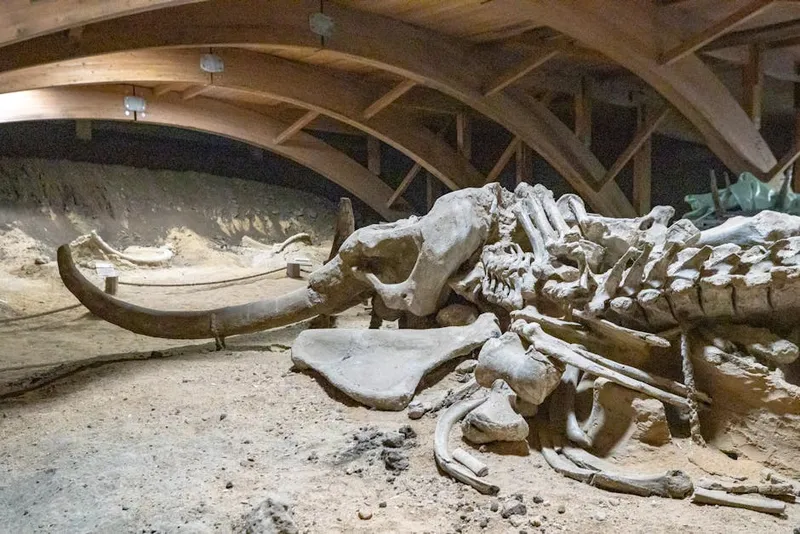
Image courtesy of Pexels
- What: Woolly mammoths coexisted with humans during the era of ancient Egyptian civilization, specifically around the time the Pyramids of Giza were built.
- Where: Ancient Egypt and the northern tundra regions
- When: Approximately 4,000 years ago
- How: Climate change and human hunting contributed to the extinction of woolly mammoths, highlighting the complex interactions between species.
- Why: Understanding this coexistence informs modern conservation efforts and our relationship with wildlife amid ongoing environmental challenges.
Astonishing Coexistence of Humans and Woolly Mammoths
Imagine a time when colossal woolly mammoths roamed the Earth, their shaggy coats blending with the icy landscapes of the northern tundra. Surprisingly, these majestic creatures were still alive when the ancient Egyptians began constructing the Pyramids of Giza around 2560 BCE. Records suggest that the last populations of woolly mammoths survived into a period that many associate solely with human advancement. How did this overlap shape our understanding of history?
Unveiling a Forgotten Chapter in Human History
In the mid-19th century, paleontologists like John P. Couthouy unearthed remarkable discoveries in Siberia, revealing that woolly mammoths were not merely part of ancient lore but a tangible element of the ecosystem that coexisted with early humans. A 2018 study published in the journal *Nature* reported well-preserved remains of woolly mammoths in the Arctic, dated to around 4,000 years ago. This timeframe coincides with the era when humans were developing advanced societies. The evidence indicates a startling reality: not only did humans encounter these great beasts, but they likely played roles in their survival and, ultimately, their extinction. These interactions, primarily in the northern regions, reflected a dynamic relationship between humans and nature. As hunting practices evolved, the mammoths faced increasing pressures. The prevailing theory posits that climate change and human hunting led to their decline, suggesting an intricate intersection where human development directly influenced animal extinction. The extinction of woolly mammoths, particularly by the time the first pyramids were rising, alters the narrative: humanity as a steward of nature becomes one of its predators, unveiling a paradox in our relationship with the natural world.
The Relevance of This Discovery in Modern Conservation
What this reveals is a profound connection between our past and present attitudes toward wildlife. The significance of this discovery lies in the lessons learned from this timeframe, which invoke a need for careful stewardship of nature in a world facing rapid climate change and biodiversity loss. Contemporary conflicts between human development and wildlife preservation highlight a recurring issue: our survival can come at the expense of nature. Modern environmental initiatives emphasize preserving biodiversity, echoing the ancient connections humans had with megafauna. Recent studies suggest that early human activity contributed to the extinction of not just the woolly mammoth but many large species globally, underscoring humanity's dual role as both creators and destroyers. Reflecting on this shared history invites us to reconsider how we operate within our ecosystems today.
Did You Know?
Woolly mammoths were still alive when the construction of the Great Pyramid of Giza began, approximately 4,000 years ago. Some believe that the decline of mammoths coincided with the development of sophisticated human hunting techniques. The last known population of woolly mammoths, on Wrangel Island in the Arctic, survived until about 1650 BCE, giving them a surprisingly recent presence in history.
Keep Exploring
CurioWire continues to uncover the world’s hidden histories — one curiosity at a time.
Sources & References
- [National Geographic — Woolly Mammoths: The Last Survivors]
- [Smithsonian Institution — The Extinction of the Woolly Mammoth]
- [Nature — Ancient DNA Reveals Woolly Mammoth Survival]