
🌍 Records from the halls of power
The Paradox of Fear: How States Fuel Radicalization
worldPublished 08 Jan 2026
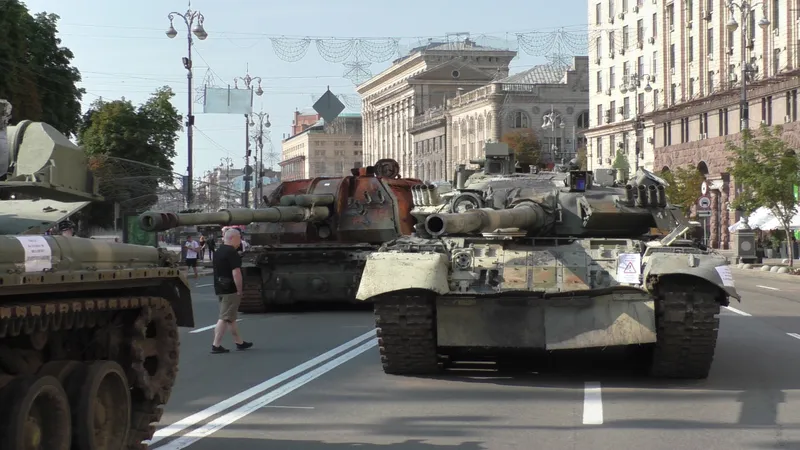
Image by EleNte — CC BY-SA 4.0
- What: States' militarized responses to terrorism can inadvertently fuel domestic radicalization.
- Where: Global context
- When: Contemporary era
- How: Increased military funding and surveillance measures create societal divides.
- Why: Understanding this paradox is crucial for balancing security and civil liberties.
The Unbelievable Cycle of Reactionary Violence
In the aftermath of terrorist attacks, states often find themselves ensnared in a perilous feedback loop. Data from the Global Terrorism Database reveals a stark reality: increased military funding and enhanced surveillance measures can paradoxically lead to higher rates of domestic radicalization. As countries respond to violence with greater force, a startling chain reaction unfolds, deepening societal divides rather than healing them. How does this unexpected twist of fate emerge from structures built for protection?
Revealing the Hidden Truth Behind Terrorism Responses
This phenomenon is rooted in systemic behavior, where militarized responses amplify the very fears they aim to eliminate. As states bolster their defenses, citizens often perceive governmental actions as oppressive rather than protective, fostering resentment and mistrust. The Global Terrorism Database indicates that instead of securing communities, these tactics create an environment ripe for radicalization, marking a chilling departure from the intended outcome. The cycles of fear breed deeper divides, as seen in various countries where heightened security measures reflect a growing alienation among marginalized groups. The very instruments designed to safeguard citizens become mechanisms of estrangement, leading to further unrest.
The Ripple Effects of Today’s Security Measures
This truth resonates through modern society, where the consequences of historic decisions are felt acutely. For instance, studies indicate that regions with persistent military engagements report increased local radicalization, mirroring earlier cycles from the past. This dynamic fosters an ongoing struggle for identity and agency among those affected. Understanding this cycle is crucial, as it invites us to reflect on the balance between security and civil liberties—a balance that remains precariously tilted today. How will future societies navigate this complex web of fear, power, and rebellion?
Did You Know?
Research shows that following significant terrorist events, military spending can increase by over 20% on average in affected nations, illustrating immediate state responses to violence.
In the aftermath of attacks, communities often see a spike in surveillance measures by up to 30%, leading to heightened tensions and distrust among citizens.
Data suggests that areas heavily affected by state responses to terrorism may experience an increase in radicalization rates by as much as 15% in subsequent years, challenging the effectiveness of such measures.
Keep Exploring
CurioWire continues to uncover the world’s hidden histories — one curiosity at a time.
Sources & References
- Global Terrorism Database
- Institute for National Security Studies
- Center for Strategic and International Studies