
🫀 Secrets of the human vessel
The Astonishing Ways Trauma Alters Our Sense of Taste and Smell
healthPublished 07 Jan 2026
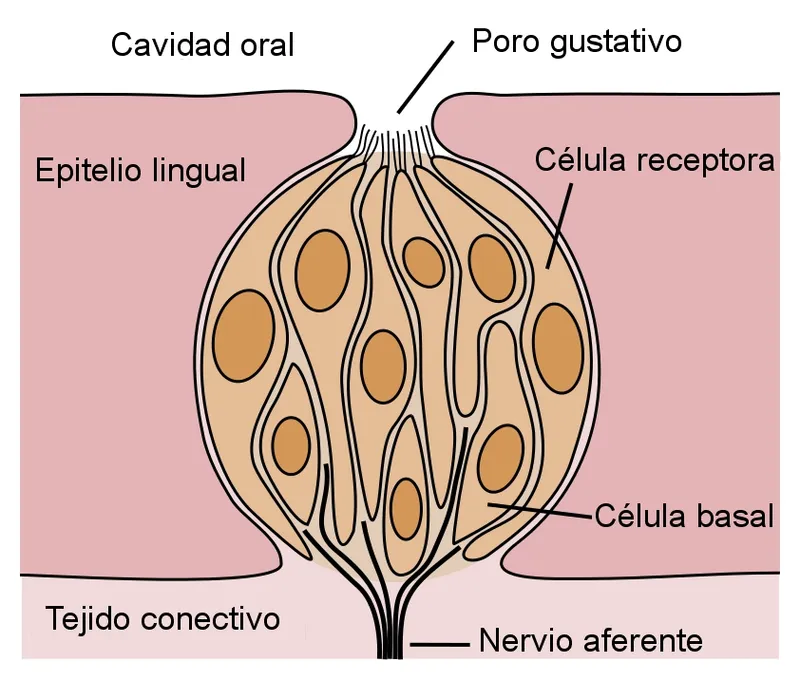
Image by NEUROtiker — CC BY-SA 3.0
- What: Trauma profoundly alters taste and scent perception in individuals with PTSD.
- Where: Clinical settings involving PTSD patients
- When: Contemporary research on trauma effects
- How: Through heightened sensitivity and aversions linked to traumatic memories
- Why: Understanding these changes can enhance treatment options and illuminate the connections between sensory perception and past experiences.
Unraveling the Mystery of Sensory Transformation
Imagine suddenly finding your favorite dish utterly repulsive or tasting flavors you never thought existed. Clinical trials conducted on PTSD patients reveal a remarkable phenomenon: trauma reshapes taste and scent perception in profound ways. As doctors and researchers delve into the medical records of participants from war zones and backgrounds of abuse, astonishing sensory shifts come to light, prompting us to ponder how deeply intertwined our traumatic experiences are with the way we perceive the world around us.
Exploring the Unseen Connections Between Trauma and Senses
The field of neuroscience has long examined how experiences shape cognition, yet the specific impacts of trauma on taste and smell remain largely unexplored. Studies targeting PTSD patients demonstrate that their sensory experiences often diverge significantly from what might be considered “normal.” Research indicates that some participants report not only heightened sensitivity to certain flavors or smells but also aversions to familiar foods, suggesting that traumatic memories could be influencing their sensory perceptions. For instance, a survivor of combat may find that the acrid scent of gunpowder triggers a visceral reaction far beyond the usual olfactory response, warping their relationship with food and comfort. These profound alterations serve as a poignant reminder that our psychological scars can rewrite the very fabric of our everyday experiences, transforming how we taste sweetness and interpret scent.
The Ongoing Journey of Understanding Trauma's Effect
The implications of these changes extend beyond individual discomfort; they point to a broader understanding of trauma's reach within human cognition and physiology. Current research seeks to explore how different therapeutic approaches might aid in restoring normal sensory perception. Addressing these changes could enhance treatment options for those affected by PTSD, suggesting that re-establishing a connection to the familiar might be foundational in healing. As we continue to investigate these connections, we uncover a remarkable truth: our sensory perceptions—intimately tied to our past experiences—can illuminate pathways for understanding human resilience and vulnerability in the face of trauma.
Did You Know?
Research shows that up to 70% of those exposed to severe trauma experience PTSD, affecting their sensory perceptions.
In some cases, PTSD patients report developing an aversion to foods that were once comforting, altering their eating habits completely.
Olfactory cues can trigger vivid memories, with certain scents capable of evoking intense emotional responses linked to past traumas.
Keep Exploring
CurioWire continues to uncover the world’s hidden histories — one curiosity at a time.
Sources & References
- Journal of Traumatic Stress
- American Psychological Association
- National Institute of Mental Health