
🏺 Recovered from the dusty archives
The Black Death's Unexpected Rewriting of Trade Routes
historyPublished 07 Jan 2026
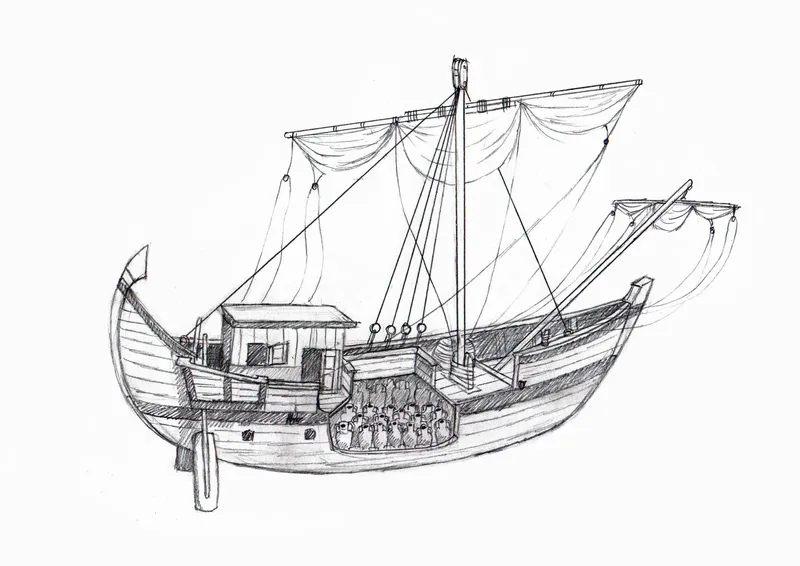
Image by Matthew Jose Fisher — CC BY-SA 4.0
- What: The Black Death transformed trade routes and economic systems across Europe.
- Where: Europe
- When: 14th century
- How: Through a drastic decline in population and shifts in trading partnerships.
- Why: This historical moment illustrates humanity's adaptability in the face of crisis.
The Shocking Discovery Hidden in 14th Century Logs
In a dusty archive, a collection of mercantile ledgers and shipping logs from the 14th century whispers secrets of transformation and turmoil. Evidence suggests that the catastrophic grip of the Black Death did not merely decimate populations but fundamentally reshaped trade routes and economic systems across Europe. Researchers have unearthed records indicating an astonishing 30% decline in trade activity in certain regions during the ongoing plague. But how deep do the roots of this economic change run?
Unearthing the Inexplicable Shifts Beneath the Surface
The ledger entries reveal a time when the fabric of society was frayed. As the death toll soared due to the Black Death, towns that once thrived on bustling trade found themselves isolated. One particularly revealing incident involves the port of Genoa, a key hub in trans-Mediterranean commerce; records suggest a drastic alteration in the flow of goods toward Northern Europe, as merchants adapted to the plummeting population in cities like Florence. Some propose that local economies were not merely affected by a decline in labor but were forced to pivot towards different trading partners scarcely considered before. Bound by the dual pressures of survival and economic necessity, the merchants and city leaders had to navigate uncharted waters, forging alliances that redefined their historical paths. What appeared to be a devastating tragedy instead paved the way for new, unforeseen power shifts among nations, intricately linked to the scarred tapestry of human experience.
Lessons from the Past: The Enduring Impact of Crisis
The unraveling of trade routes and subsequent economic shifts in the 14th century resonate with our contemporary world, where disruptions often lead to unforeseen consequences. The pandemic of COVID-19 invited reflections on how suddenly altered human interactions could transform economies. Just as those merchants grappled with the death and despair around them, businesses today are faced with a stark recalibration of their markets and strategies in unprecedented times. This exploration of history exemplifies a haunting truth: in moments of crisis, humanity's adaptability can be both a profound strength and a testament to resilience. What other hidden stories lie buried, waiting for rediscovery?
Did You Know?
Some historians estimate that as many as 25 million people perished during the Black Death, transforming societal structures significantly.
The mercantile logs that document trade activities reveal not only economic shifts but patterns of human behavior and decision-making under grave circumstances.
The last decade has seen renewed interest in these shipping records, with technological advancements aiding researchers in piecing together fragmented histories that shaped Europe’s economic landscape.
Keep Exploring
CurioWire continues to uncover the world’s hidden histories — one curiosity at a time.
Sources & References
- National Archives of Italy
- Journal of Economic History
- European History Quarterly