
🌍 Records from the halls of power
Truces Among Drug Cartels: Unseen Forces Shaping Global Trade
worldPublished 06 Jan 2026
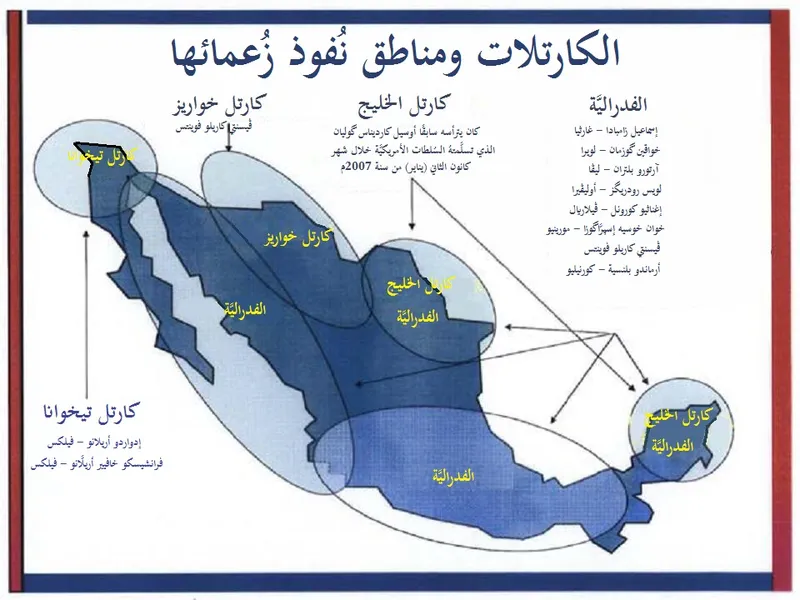
Image by Original: US CONGRESS, COMMITTEE ON FOREIGN RELATIONS Derivative: باسم — Public domain
- What: Fleeting truces among drug cartels significantly influence global trade routes and economic policies.
- Where: Mexico and Colombia
- When: Early 2000s to present
- How: Through temporary alliances formed in response to external pressures, optimizing supply routes and eliminating competition.
- Why: These dynamics reveal how illicit activities intertwine with legitimate economic frameworks, affecting governance and trade.
Complex Alliances and Shifting Power Dynamics
In a theater of conflict where rival cartels engage in fleeting truces, the implications stretch far beyond Mexico’s borders. Research from the Global Drug Survey reveals that these shifting alliances among drug traffickers can influence global economic policies, creating unexpected ripple effects in international trade. What if the very routes that bring our goods are entangled in a dynamic of cartel truces?
Cartels: The Hidden Architects of Trade Routes
Cartel truces often emerge as a response to heightened pressures, such as police crackdowns or turf wars, driven not by camaraderie but necessity. The Global Drug Survey highlights how these agreements enable cartels to optimize their supply routes and eliminate competition. The intertwined nature of these alliances means that decisions made by drug traffickers can have consequential impacts on countries reliant on drug economies, such as Mexico and Colombia, where revenue from the drug trade constitutes a significant portion of GDP.
As cartels negotiate these temporary peace agreements, they inadvertently shape the geopolitical landscape, leading to instability that echoes in the policies of neighboring nations. The intricate dance of power—between alliances formed and broken—affects how governments respond to drug-related violence and economic pressures. These moments of unity or fragility in cartel behavior remind us that the underworld is not just about crime; it is intricately linked to global commerce and diplomacy, illuminating how illicit activities can reshape legitimate economic frameworks in unexpected ways.
The Enduring Legacy of Cartel Relationships
Even in contemporary political discussions, the reality remains stark: each cartel truce reflects broader geopolitical tensions that govern not just crime, but trade and diplomacy. The implications of these clandestine agreements spill over into economic policy, influencing how governments prioritize resources to combat drug trafficking. With each shift in cartel alliances, the economic fortunes of entire regions hang in the balance. This interplay challenges our understanding of global interdependence, urging us to consider how hidden narratives influence our everyday trade and governance.
Did You Know?
In the early 2000s, the Sinaloa Cartel utilized a truce with the Gulf Cartel to stabilize their power and expand their market reach across the U.S.-Mexico border.
Research indicates that drug-related activities account for approximately 3-5% of Mexico's GDP, which can fluctuate based on cartel interactions and truces.
Despite their illicit nature, some cartel collaborations have inadvertently fostered temporary economic stability in regions where legal industries struggle to thrive.
Keep Exploring
CurioWire continues to uncover the world’s hidden histories — one curiosity at a time.
Sources & References
- Global Drug Survey
- National Institute on Drug Abuse
- United Nations Office on Drugs and Crime