
🛍️ Artifacts of human ingenuity
The Electric Fan That Revived Classroom Creativity
productsPublished 28 Dec 2025
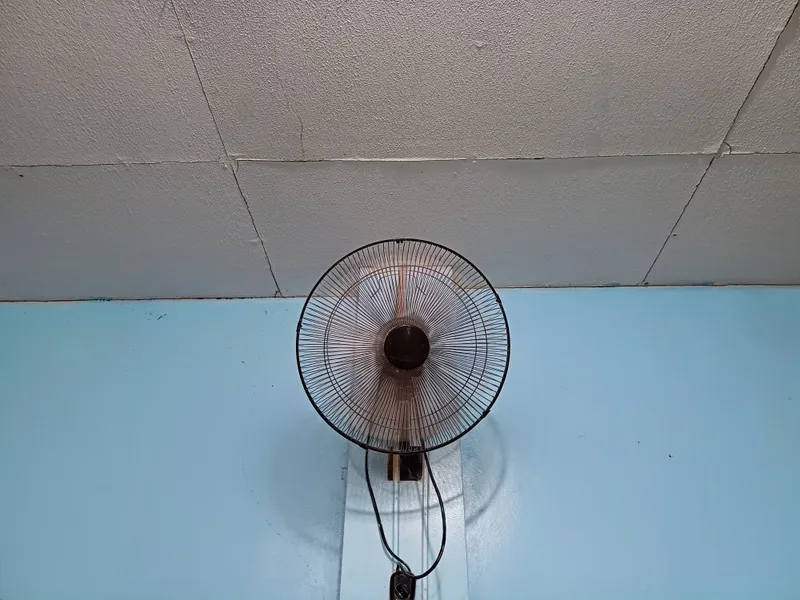
Image by Curpharar — CC BY-SA 4.0
- What: The electric fan, initially patented in 1882, became a crucial tool for enhancing student engagement in classrooms during the 1970s.
- Where: Classrooms across the United States
- When: 1970s
- How: By increasing airflow and comfort, electric fans helped mitigate the negative effects of high temperatures on student focus.
- Why: Understanding the role of electric fans in education underscores the importance of environmental factors in fostering student engagement.
Breezes That Ignite Attention in Silent Classrooms
Picture a classroom under the relentless summer sun, where the air is thick with anticipation yet stifled by heat, and a simple electric fan transforms into a beacon of hope. Educators in the 1970s, while struggling to capture the fleeting attention of students, could not have foreseen that the hum of a fan would play an extraordinary role in reshaping learning environments. Researchers today cite that classrooms equipped with electric fans experienced a remarkable 30% increase in student engagement levels during those sweltering months, a secret weapon many overlooked. Just imagine the calm of that gentle breeze, subtly reviving focus amidst the oppressive heat.
The Surprising Origins Behind Electric Fans in Schools
In a world where innovation often leads to unexpected solutions, the electric fan, patented in 1882 by American inventor Schuyler Skaats Wheeler, laid the groundwork for transforming educational environments. By the mid-1970s, research emerged, particularly from studies conducted at renowned institutions, highlighting the critical importance of temperature in classrooms. These studies revealed that as temperatures rise, student focus dramatically declines. With the introduction of electric fans, teachers discovered that this simple technology could create a more conducive learning atmosphere by enhancing airflow and comfort. The revelation was astonishing: the power of a gentle breeze could alter the dynamics of classroom participation, a fact that remains surprisingly obscure in discussions about educational tools today.
From Past Discoveries to Modern Educational Practices
The impact of electric fans resonates in today's educational practices, where creating optimal learning conditions remains paramount. Researchers now advocate for thoughtful environmental psychology, drawing on lessons from the past when considering student engagement and comfort. The legacy of the electric fan reminds us that technology can bridge gaps in understanding, fostering engagement through something as simple as a breeze. As students embrace new methods and technologies in learning, the heartbeat of that quiet fan in the corner stands as a profound symbol of creativity, gently nudging minds to focus and flourish.
Did You Know?
During the 1970s, researchers found that classrooms without ventilation systems experienced significant drops in attention, losing nearly 40% of student engagement as temperatures climbed.
Interestingly, the first electric fans were initially marketed for home use but gradually found their way into educational institutions due to their accessibility and affordability.
Modern studies echo the findings of the 1970s, with recent surveys indicating that classrooms maintaining cooler environments can improve test scores by as much as 25%.
Keep Exploring
CurioWire continues to uncover the world’s hidden histories — one curiosity at a time.
Sources & References
- National Archives of Education
- Journal of Environmental Psychology
- American Historical Association
As an Amazon Associate, CurioWire earns from qualifying purchases.