
🌍 Records from the halls of power
The Unseen Hand: How Miscommunication Ignites International Tension
worldPublished 25 Dec 2025
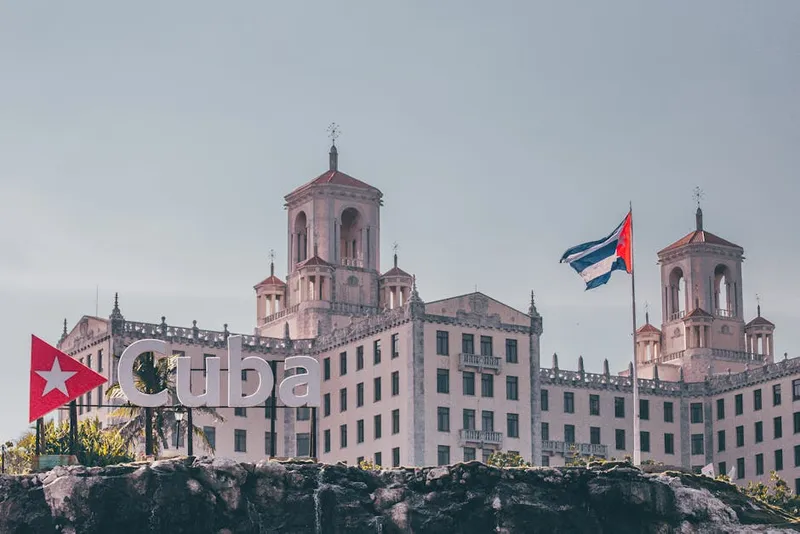
Image courtesy of Pexels
- What: A single misunderstood message during the Cuban Missile Crisis escalated international tensions.
- Where: Cuba
- When: October 1962
- How: Miscommunication led to flawed assumptions and misaligned responses between superpowers.
- Why: Understanding these dynamics is crucial to prevent future crises and improve diplomatic communication.
Miscommunication Sparks Unraveling Diplomatic Relations
Imagine a world teetering on the brink of nuclear war, all catalyzed by a single misunderstood message. During the Cuban Missile Crisis in October 1962, the stakes were high, with the United States and the Soviet Union locked in a deadly standoff over the presence of Soviet missiles in Cuba. As diplomatic cables flurried between superpowers, the intentions masked by miscommunication created an environment ripe for catastrophe. What small error twisted this fragile balance into a potential powder keg?
How Silent Signals Amplify Global Friction
The Cuban Missile Crisis stands as a poignant illustration of the power inherent in miscommunication. While the world held its breath, decisions were made thousands of miles away based on incomplete information. Analysts dissect the frantic diplomatic exchanges from that epoch, revealing that simple misinterpretations led to misaligned responses. For instance, U.S. President John F. Kennedy and his closest advisers faced enormous pressure to respond decisively to perceived threats, yet their actions were often predicated on flawed assumptions derived from ambiguous communications. The result? Tensions escalated rapidly, each side reading the other's military posturing as aggressive provocations rather than defensive maneuvers. This phenomenon showcases how minor inaccuracies can spiral into grand crises, igniting fear and hostility among nations that might otherwise find common ground.
The Lasting Impact of Historical Missteps
Even decades later, the lessons from such miscommunication resonate through today's geopolitical landscape. Current conflicts demonstrate that nations still navigate a labyrinth of misinterpretations that echo the mistakes of the past. Scholars studying conflict resolution emphasize the critical need for clarity in diplomatic communications to avert crises. For example, the analysis of past diplomatic failures forms a cornerstone in developing modern strategies that prioritize precise messaging, establishing a framework for better international cooperation. Exploring the implications of the Cuban Missile Crisis offers vital insights into how today's decisions echo historical oversights, compelling us to rethink our communication strategies and their potential global ramifications. What might we be misreading in our interactions today?
Did You Know?
The Cuban Missile Crisis brought the world its closest brush with nuclear conflict, with an estimated 90 miles separating the U.S. from nuclear-armed missiles in Cuba.
After the crisis, the infamous "hotline" was established between Washington and Moscow, allowing for direct communication to reduce the risk of misunderstandings.
Diplomatic cables from the Cold War continue to be studied, revealing that 70% of escalatory conflicts stem from miscommunication between parties rather than outright aggression.
Keep Exploring
CurioWire continues to uncover the world’s hidden histories — one curiosity at a time.
Sources & References
- National Archives
- Foreign Affairs Journal
- International Relations Institute