
🏺 Recovered from the dusty archives
Unearthing Caribbean Plantations' Secrets of Wealth and Oppression
historyPublished 22 Dec 2025
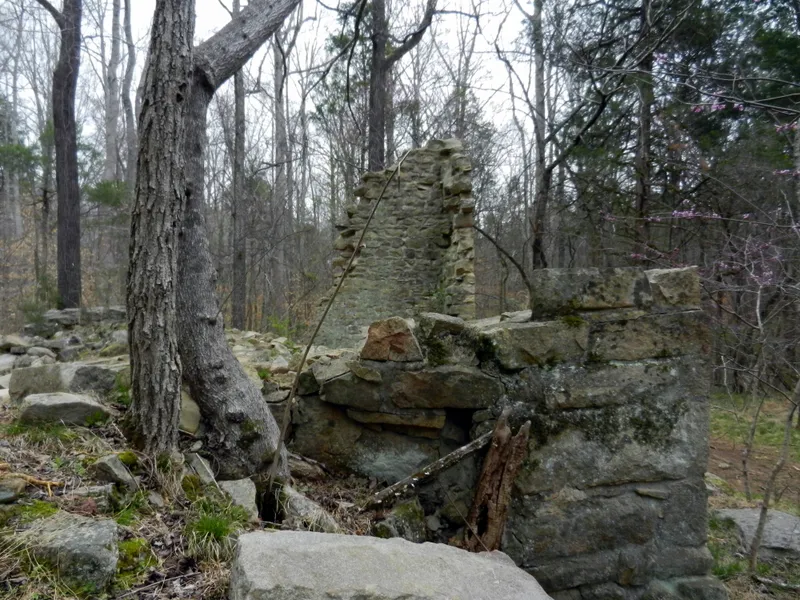
Image by BusinessEditorUSA — CC BY-SA 4.0
- What: The remnants of Caribbean plantations reveal a complex legacy of wealth and oppression.
- Where: Caribbean
- When: 18th century
- How: Through archaeological findings that illustrate the stark contrasts between the lives of enslaved individuals and plantation owners.
- Why: Understanding these artifacts is crucial for redefining identities and addressing ongoing social inequalities.
A Hidden Legacy of Colonial Plantations
As the sun sets over the Caribbean, the remnants of abandoned plantations rise from the landscape, whispering tales of unimaginable wealth entwined with the grief of oppression. These stark structures bear witness to an era that shaped societies while leaving scarred legacies embedded in the soil. Research indicates that more than 80% of the world's sugar production in the 18th century was generated on these plantations. How do these relics continue to influence contemporary cultures?
Discovering the Relics of a Troubled Past
At the heart of the Caribbean’s historical narrative lies a paradox: amidst the lush greenery and azure skies, the echoes of incredible wealth are overshadowed by the shadows of human suffering. Historical archaeology has unveiled numerous artifacts from plantation sites, each piece telling a story reflective of colonial ambitions and their devastating impact on enslaved communities. Scholars have long grappled with the implications of these findings. Some suggest that remnants of clothing, tools, and even architectural styles provide insight into the daily lives of the enslaved, juxtaposed against the opulence enjoyed by plantation owners. For instance, a recent excavation at a plantation in Jamaica uncovered fragments of metal shackles alongside exquisite ceramics, illustrating the jarring contrast between lives lived in chains and lives lived in luxury.
This relationship between artifacts and the social fabric from which they emerge is layered and complex. While the incredible wealth generated from sugar exports largely benefited a select few, the living conditions of the enslaved workers were brutally oppressive. Certain contested narratives have emerged regarding the motivations behind colonial enterprises, which some historians argue were driven not only by the pursuit of wealth but also by deeply embedded ideologies of racial superiority and control. The artifacts serve as powerful reminders of this legacy while inviting us to question the historical narratives we've inherited. How does acknowledging these artifacts alter our understanding of culture, power, and identity in the present day?
The Continuing Impact of Colonial Legacies
In modern society, the echoes of these colonial histories resonate through the structures of inequality and social stratification present in Caribbean nations today. Researchers continue to study how these remnants from plantation life inform contemporary social interactions and perceptions of class. For example, a study published in 2021 highlighted the ongoing disparities in wealth distribution linked directly to historical plantation economies. The wealth created from exploitation has left indelible marks on societal norms and power dynamics, creating a tapestry of privilege and marginalization that is palpably felt today. This reflection on the past challenges us to confront uncomfortable truths about our historical legacies and their ongoing influence.
What remains is an urgent question lingering in the air: How can we navigate a future that acknowledges this history while striving for equity and understanding? The significance of these archaeological finds transcends mere curiosity; they are crucial to redefining identities and reimagining futures in their shadow.
Did You Know?
The Caribbean's sugar plantations were responsible for more than 70% of the world’s sugar production in the 18th century, making them some of the most profitable businesses of their time.
A study of plantation relics from Barbados found over 1,500 individual artifacts, ranging from everyday tools to luxury goods, indicating the complexity of social interaction in the colonial period.
The legacy of the wealth generated by these plantations is marked by profound social inequality, with modern research showing persistent gaps in income and education within Caribbean societies.
Keep Exploring
CurioWire continues to uncover the world’s hidden histories — one curiosity at a time.
Sources & References
- National Museum of Jamaica
- Journal of Caribbean History
- Caribbean Studies Association