
🌍 Records from the halls of power
The Cold War's Hidden Crisis: How Bureaucracy Almost Triggered Disaster
worldPublished 18 Dec 2025
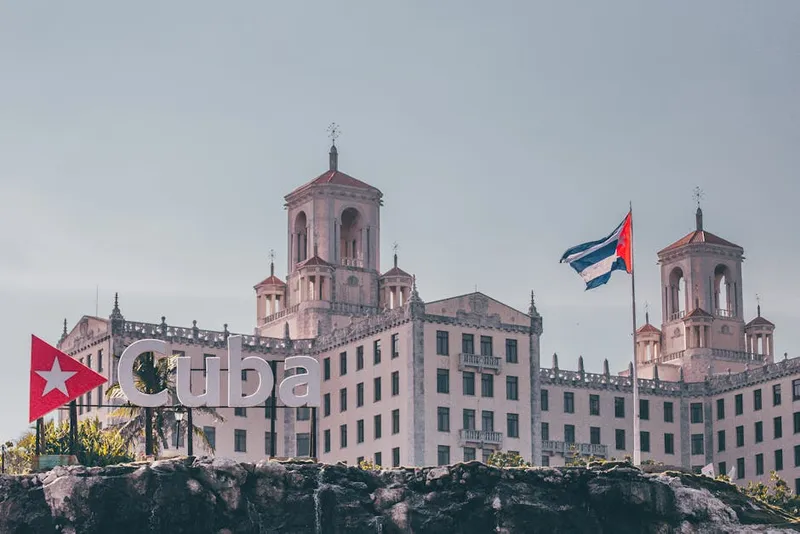
Image courtesy of Pexels
- What: The Cuban Missile Crisis nearly escalated into nuclear disaster due to bureaucratic inertia.
- Where: Cuba
- When: October 1962
- How: Rigid communication protocols stifled crucial dialogue between the U.S. and Soviet Union.
- Why: It highlights the dangers of inflexible systems in high-stakes diplomacy.
The Deadly Silence of Bureaucracy
In the tense atmosphere of the Cuban Missile Crisis, a mere 13 days in October 1962, the world stood on the brink of nuclear disaster. Declassified military communication logs reveal that rigid protocols and inflexible communication channels nearly escalated conflicts to catastrophic levels, showcasing how bureaucratic inertia can fuel unimaginable peril. How could the very systems intended to maintain order provoke chaos instead?
When Protocols Backfire: A Tense Standoff
As U.S. and Soviet tensions boiled over, unyielding procedures restricted crucial dialogue between the superpowers. A misinterpreted radio signal could have triggered dire consequences; yet, the very systems meant to protect against escalation stifled any chance of clarity. Studies of the declassified logs illustrate how procedural delays and the absence of open communication transformed minor misunderstandings into nuclear threats. Instead of swift negotiations, hesitation hung in the air, heightening the atmosphere of dread. American and Soviet officials faced each other in almost complete silence, hindered by bureaucratic protocols that made both sides more reactive than proactive. Each day that passed felt like an eternity, where one wrong move threatened to lead to irreversible disaster. The failure of communication was not merely a byproduct of hostile intent but rather a consequence of strict adherence to structured processes that disregarded the urgency of the moment.
The Lessons of Inflexibility in Modern Context
Even decades later, the implications of these lessons ripple through contemporary international relations. The impact of rigid communication structures resonates in today’s diplomatic engagements, where bureaucratic protocols still create barriers to understanding. As nations grapple with complex tensions that echo those of the Cold War, the stakes remain high. Researchers continue to debate the consequences of strained communication as potential flashpoints in global affairs. The Cuban Missile Crisis now serves not only as a historical account but also as a cautionary tale—reminding us that a failure to adapt and communicate before chaos arises can lead to conflict. What other moments in history might reveal similar societal breakdowns of dialogue in the face of rising tensions?
Did You Know?
During the Cuban Missile Crisis, U.S. military leaders considered launching a first strike against Soviet missile sites in Cuba, risking immediate escalation to nuclear warfare.
Despite existing protocols, four Soviet submarines carrying nuclear torpedoes were sent to patrol around Cuba, heightening the risk of miscommunication during the crisis.
After the crisis, both superpowers recognized the need for direct communication, establishing the “hotline” to prevent future misunderstandings and potential disasters.
Keep Exploring
CurioWire continues to uncover the world’s hidden histories — one curiosity at a time.
Sources & References
- National Archives
- Journal of Cold War Studies
- U.S. Department of State