
🚀 Whispers from the silent cosmos
Astronauts' Isolation Reveals Struggles of the Human Mind
spacePublished 18 Dec 2025
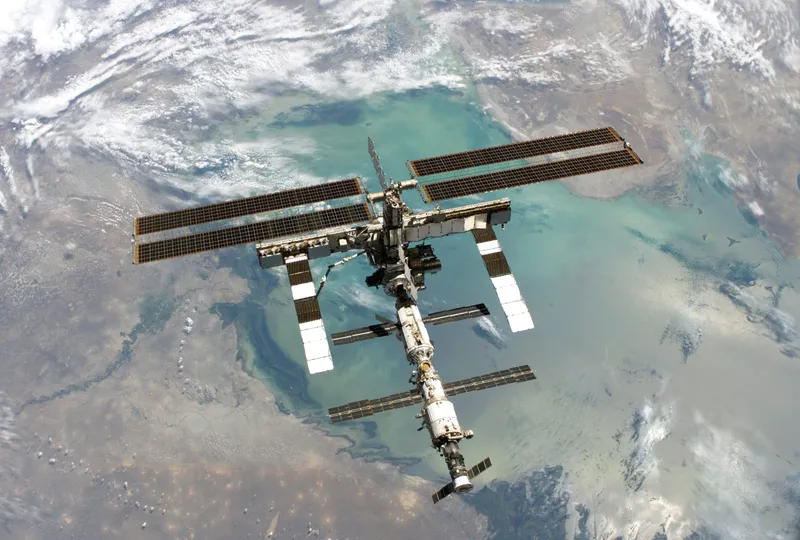
Image by NASA — Public domain
- What: Astronauts aboard the International Space Station experience intensified psychological challenges due to prolonged isolation.
- Where: International Space Station (ISS)
- When: During long-duration space missions
- How: Isolation amplifies anxiety and cognitive decline in microgravity environments.
- Why: Understanding these effects is crucial for preparing future missions and safeguarding astronauts' mental health.
The Silent Battles of Astronauts in Space
Imagine drifting through the infinite blackness of space, surrounded by stars yet profoundly alone. For astronauts aboard the International Space Station (ISS), this isolation reaches new levels, revealing unexpected struggles. Research from NASA shows that these space explorers, while defying gravity, often grapple with intensified psychological challenges that can disrupt their cognitive functions and emotional health. With missions extending beyond six months, the question resonates: how does isolation deepen the mind's fragile balance?
Confronting the Unseen Cost of Space Exploration
Space, wondrous yet unforgiving, catalyzes a unique psychological strain as astronauts endure extended periods away from Earth. Data collected from longer missions aboard the ISS reveals that stressors in microgravity amplify feelings of anxiety and hinder vital decision-making abilities. The very engineering that propels humans into the cosmos simultaneously exposes them to the limits of human endurance. Research indicates that cognitive decline can occur, correlating tightly with isolation. The 2015 twin study of astronauts Scott and Mark Kelly sent shockwaves through the scientific community when it unveiled profound changes in gene expression and cognitive function following Scott’s year-long mission. This haunting contrast of human capability against an unforgiving backdrop taps into a deeper conversation about what it truly means to explore the universe and the extraordinary lengths we go to confront our solitude amidst the stars.
The Heart of Exploration and Its Heavy Toll
Today, as humanity dreams of Mars and beyond, understanding astronauts’ mental health has never been more crucial. Recent studies must embrace the delicate interplay of isolation and resilience, pushing the boundaries of psychological research in space exploration. With the knowledge gleaned from the ISS, further missions can prepare for the dual challenge of scientific discovery and mental fortitude, ensuring future explorers are equipped to handle the psychological toll of their sacred journey. The question lingers — what other secrets of the human psyche does space hold, waiting for us to uncover in our quest to bridge the cosmos and our inherent vulnerabilities?
Did You Know?
NASA found that more than half of astronauts experienced significant anxiety and mood swings during long missions aboard the ISS.
The human brain can start to show signs of cognitive decline after just a few months of isolation in space, challenging assumptions about human endurance.
During the year-long mission of astronaut Scott Kelly, researchers detected profound changes in gene expression, demonstrating space's potential impact on health.
Keep Exploring
CurioWire continues to uncover the world’s hidden histories — one curiosity at a time.
Sources & References
- NASA Human Research Program
- Journal of Aerospace Psychology
- National Space Biomedical Research Institute