
🌿 Stories carved by wind and water
The Enigmatic Symphony of Light in the Ocean's Depths
naturePublished 17 Dec 2025
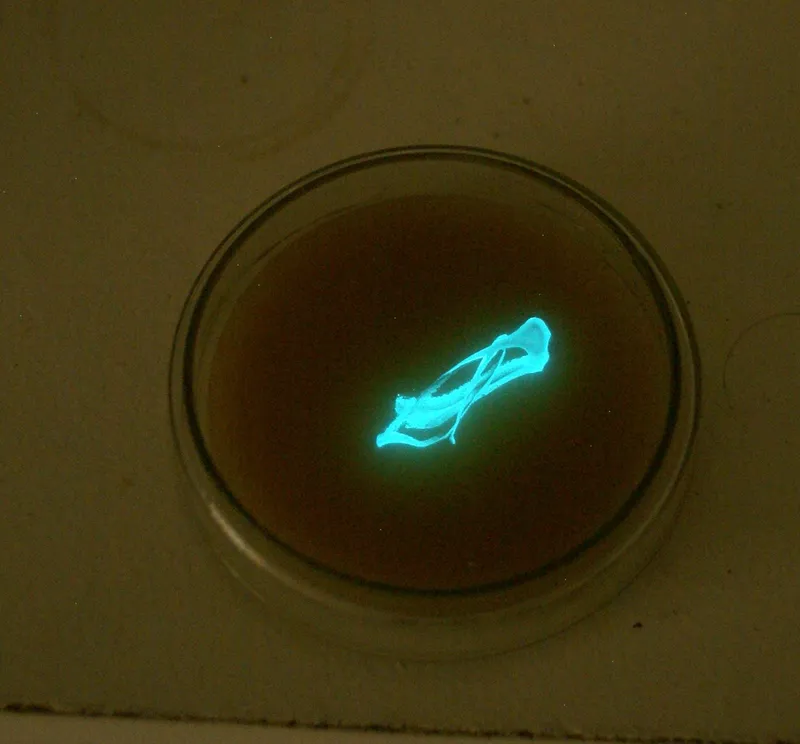
Image by Rob Cruickshank — CC BY 2.0
- What: Bioluminescent bacteria create mesmerizing light patterns that influence fish feeding behaviors.
- Where: In the ocean's depths
- When: Present day
- How: Through the emission of light that attracts various fish species
- Why: This phenomenon highlights the intricate relationships within marine ecosystems and the potential impacts of environmental changes.
Mesmerizing Light Patterns Alter Oceanic Feeding Behaviors
In the profound darkness of the ocean depths, a hidden spectacle unfolds: bioluminescent bacteria paint the seafloor with ghostly light. These delicate organisms thrive in the deep, creating shimmering displays along the surfaces of underwater rocks, captivating the eye and drawing in the unsuspecting. Researchers have observed that these luminous patterns are not merely beautiful; they play a significant role in marine ecosystems. Long-term studies illustrate that such light signals can drastically change the feeding behavior of entire fish populations, altering the dynamics of predator and prey. What does this mean for the marine food web?
Illuminated Interactions Between Species Revealed
The interplay between bioluminescent bacteria and fish is more than a simple attraction; it's a complex relationship woven into the fabric of existence in these shadowy realms. The bacteria emit light that lures various fish species, altering their hunting grounds and feeding behaviors. This phenomenon echoes through generations—once a fish becomes accustomed to hunting in specific illuminated areas, its descendants may inherit these behaviors through learned experiences. Interestingly, researchers note that while certain fish thrive under these radiant signals, others adapt their strategies to avoid becoming prey, showcasing adaptability in a realm where survival hangs by a thread. The beauty of this natural world belies an intricate tapestry of interactions, urging us to ponder how much we truly understand about the deep sea's ecosystems.
The Enduring Mystery of Bioluminescence and Its Implications
As we plunge deeper into the mysteries of marine life, the significance of bioluminescence remains strikingly relevant today. The resilience of these light-emitting organisms and their influence on fish population behaviors hold lessons for broader ecological studies. Researchers are still grappling with many questions—how do changes in ocean conditions affect these interspecies dynamics? What happens when external factors disrupt the shimmering harmonies of the deep? Exploring these luminous signals could help us comprehend the fragility and complexity of ocean ecosystems, as well as the potential impacts of climate change. We are left to wonder what more these hidden depths may reveal about both the ocean and ourselves.
Did You Know?
The vast majority of bioluminescent organisms live in the ocean, with scientists estimating that around 80% of all marine species exhibit some form of bioluminescence.
Some bioluminescent species can produce light in various colors, including blue, green, and even red; the colors employed depend largely on the specific wavelengths that can penetrate water most effectively.
Research has shown that the glow created by bioluminescent bacteria can trigger feeding behaviors not just in fish, but also in invertebrates and other marine creatures, suggesting a broad impact on the marine food web.
Keep Exploring
CurioWire continues to uncover the world’s hidden histories — one curiosity at a time.
Sources & References
- National Oceanic and Atmospheric Administration
- Marine Biology Journal
- Smithsonian National Museum of Natural History