
🛍️ Artifacts of human ingenuity
The Ancient Soapstone Tools Defying Modern Assumptions
productsPublished 16 Dec 2025
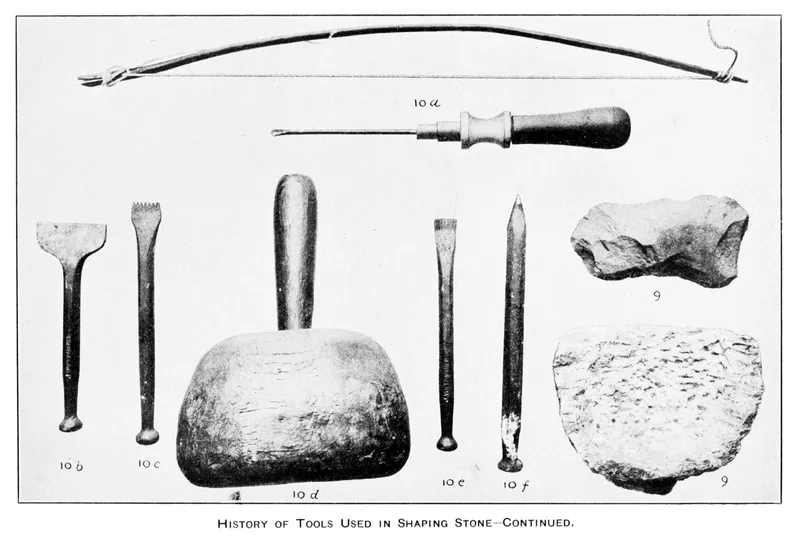
Image by United States National Museum (Smithsonian Institution), Washington D.C. — Public domain
- What: Ancient soapstone tools reveal a sophisticated understanding of craftsmanship by early Inuit populations.
- Where: Beneath the Arctic ice
- When: Approximately 4000 years ago
- How: Through the study of wear patterns and material properties of the tools
- Why: They challenge contemporary perceptions of indigenous technology and highlight a rich cultural heritage.
Secrets Beneath the Arctic Ice
Deep beneath the Arctic ice, an astonishing collection of ancient soapstone tools has emerged, remnants of a rich cultural tapestry woven by early Inuit populations. These artifacts, far more than mere practical instruments, showcase striking artistry and intricate designs that challenge contemporary perceptions of indigenous technology. Utilizing locally sourced materials, scientists have uncovered detailed wear patterns on these tools, indicating clever adaptations and suggesting a history steeped in skilled craftsmanship. As researchers unravel the mysteries of these findings, they grapple with a tantalizing question: What other hidden truths lie beneath the ice, waiting to be uncovered?
The Craftsmen from the Past
Dating back thousands of years, these soapstone tools, crafted by early Inuit populations, illustrate a remarkable understanding of material science and design principles. While exact dates remain elusive, evidence suggests their creation around 4000 years ago in the Arctic regions of Canada. The Inuit harnessed the unique properties of soapstone, a soft yet durable material, allowing them to create tools that serve not only functional purposes but also aesthetic appeal. Studies of wear patterns on these artifacts reveal the iterative nature of design, as the Inuit refined their tools over generations. Surprisingly, some researchers argue that this historical mastery of craftsmanship was far more advanced than previously recognized, defying outdated assumptions about the technology employed by indigenous peoples.
Craftsmanship Etched in Ancient Stone
The discovery of these soapstone tools serves as a reminder that the art of craftsmanship is timeless, bridging the gap between past and present. As technology advances, we often overlook the ingenuity inherent in ancient designs that prioritized both form and function. The intricate work and adaptation speak volumes about the histories and lives of those who shaped these artifacts, underscoring the importance of respecting the past as we forge ahead. The beauty and utility of these tools evoke a sense of connection to our shared human heritage, with craftsmanship etched indelibly in ancient stone, echoing through time.
Did You Know?
Recent studies highlight that the wear patterns on these tools suggest a sophisticated understanding of both material properties and environmental conditions that influenced their design.
Artistic engravings on some soapstone tools are thought to signify tribal identity, emphasizing the dual role of these artifacts as both practical tools and cultural symbols.
New archaeological techniques have enabled researchers to reassess previously held beliefs about the technological limitations of ancient cultures, further expanding our appreciation of their innovations.
Keep Exploring
“CurioWire continues to uncover the world’s hidden histories — one curiosity at a time.”
Sources & References
- [Credible thematic source — archive, journal, museum, research body]
- [Secondary contextual source]
- [Optional tertiary source]
As an Amazon Associate, CurioWire earns from qualifying purchases.