
🎭 Fragments from the heart of civilization
Transforming Urban Decay into Cultural Symbols of Identity
culturePublished 16 Dec 2025
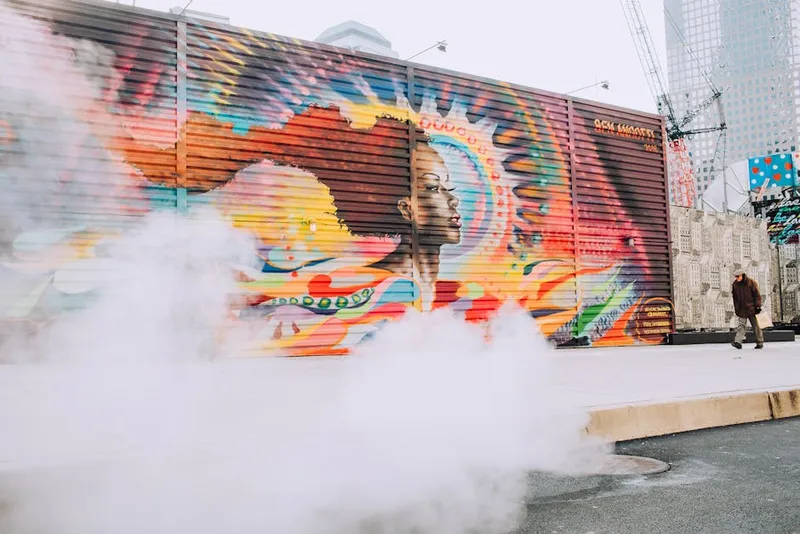
Image courtesy of Pexels
- What: Urban artists transform abandoned buildings into vibrant murals, reclaiming lost spaces.
- Where: Cities worldwide, including Berlin and New York
- When: Early 21st century
- How: Through artistic expressions that narrate cultural identities and histories
- Why: This movement reflects a collective yearning for identity and belonging in urban environments.
Murals Breathing Life into Forgotten Spaces
The air hums with vibrant colors splashed across crumbling brick walls, where time has etched its stories in layers of peeling paint. In the early 21st century, cities across the globe—from Berlin to New York—have witnessed a revival, as abandoned buildings emerge as canvases for urban artists. These artistic transformations are not mere claims of territory; they resonate with memory, identity, and the longing to reclaim neglected spaces. Each mural stands as a testament to resilience, echoing a deeper cultural narrative waiting to be uncovered.
Art as a Reclamation of Urban Heritage
In the realm of urban sociology, the movement to transform decayed structures into art installations has flourished, reflecting society's collective yearning for identity and belonging. Artists like Banksy have elevated this discourse, using walls as mediums to narrate the struggles and triumphs of marginalized voices. Census data reveals a significant uptick in urban art installations since the early 2000s, demonstrating a compelling cultural shift. This trend is not incidental; it seeks to reclaim lost histories and contested spaces, where each stroke of paint serves as a ritual act of memory and resistance. The WOW-factor lies in its understated truth: the very act of street art challenges the narratives of gentrification, illustrating how cultural heritage evolves and resists erasure.
A Legacy that Resonates Through Generations
This movement resonates with contemporary ideals of community and self-expression. The murals of today not only adorn our urban landscapes but also engage passersby in dialogues about their shared past and the multi-faceted identities we wield. As these artists breathe life into forgotten spaces, they forge connections that transcend the ordinary, celebrating the very essence of humanity—vulnerability and hope. How might we redefine our understanding of heritage amid urban decay and revitalization?
Did You Know?
In 2013, the “Street Art Revolution” exhibition in Paris showcased over 100 global street artists, highlighting the importance of urban art as a cultural movement.
More than 25% of city dwellers in major urban areas regularly engage with street art, indicating a growing appreciation and support for this urban cultural expression.
The historical equivalent of modern murals can be traced back to ancient civilizations, where murals adorned public spaces to convey social narratives and communal beliefs.
Keep Exploring
CurioWire continues to uncover the world’s hidden histories — one curiosity at a time.
Sources & References
- Urban art archives
- Contemporary art journals
- Research on public art movements