
🛍️ Artifacts of human ingenuity
The Toaster That Tried to Cook Every Meal
productsPublished 10 Dec 2025
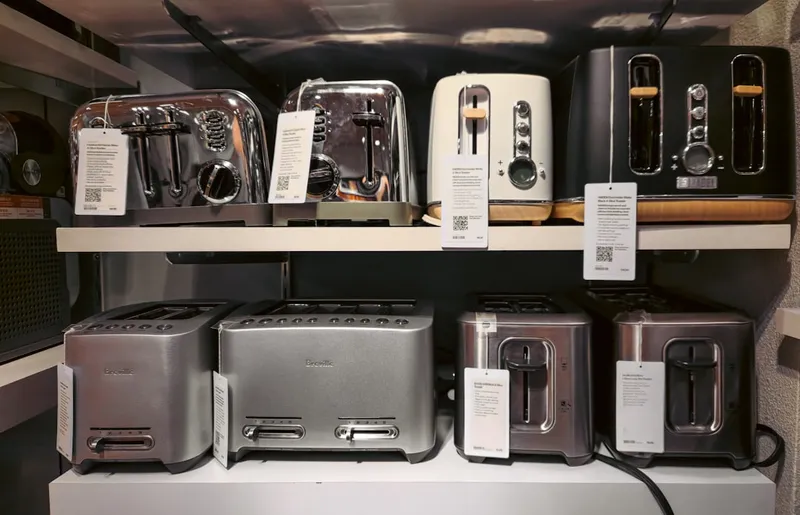
Image courtesy of Unsplash
- What: A toaster prototype envisioned to cook a variety of meals, from eggs to lobsters, using innovative heating elements.
- Where: Chicago, USA
- When: 1952
- How: Through specialized heating elements designed for multifunctional cooking.
- Why: It highlights the ambitious dreams behind kitchen appliances and their influence on modern cooking innovations.
Revolutionizing the Kitchen with Innovation
Picture a toaster, sleek and unassuming, not merely designed to brown bread but envisioned as a culinary revolution. This seemingly ordinary appliance once served as a prototype for a much grander ambition: to cook everything from eggs to lobsters using innovative heating elements. Surprisingly, it may not just be a staple in kitchens today but an echo of a unique moment in culinary engineering. The U.S. patent database indicates that these concepts existed prominently, eliciting curiosity about their largely forgotten implications in modern cooking techniques.
The Aims and Failures of Culinary Engineering
In the heart of the mid-20th century, engineers found themselves captivated by the idea of a cooking appliance that could do it all. In 1952, the invention of a toaster prototype was patented in Chicago, promising to transcend its humble role. Patented under the number D171305, its design included specialized heating elements that could theoretically prepare a range of foods, signaling a remarkable era of culinary innovation. However, this ambitious endeavor faced a heartbreaking reality: impractical designs and limitations in technology led to its eventual abandonment. Some engineers argue that the visions for this prototype were far ahead of their time, destined to be forgotten in the shadows of appliance history.
Unfolding Culinary Dreams and Their Impact
The story of the multifaceted toaster reminds us of the audacious dreams behind everyday appliances. Why does this still matter? Because today, in a world fascinated by convenience and multifunctional devices, we see echoes of those failed designs in modern kitchen innovations, as new appliances blend various cooking methods. The image of a toaster cooking a lobster, while ambitious, reflects humanity’s relentless desire to innovate and create. Remnants of those dreams linger, paving the way for cutting-edge technology that continues to shape our culinary experiences.
Did You Know?
The aim of the 1952 toaster design was to revolutionize not just breakfast, but entire meal preparation in the kitchen.
Similar kitchen prototypes have emerged in recent years, borrowing from the ideas once proposed yet merging them with modern technology to create multifunctional cooking devices.
Many of the challenges faced during the toaster's early design stemmed from limitations in materials and heating technologies that we have now surpassed.
Keep Exploring
CurioWire continues to uncover the world’s hidden histories — one curiosity at a time.
Sources & References
- Culinary engineering archives
- Historical patent databases
- Kitchen appliance innovation studies
As an Amazon Associate, CurioWire earns from qualifying purchases.