
🎭 Fragments from the heart of civilization
The Sacred Ritual of Pachamama That Nourishes Our Identity
culturePublished 10 Dec 2025
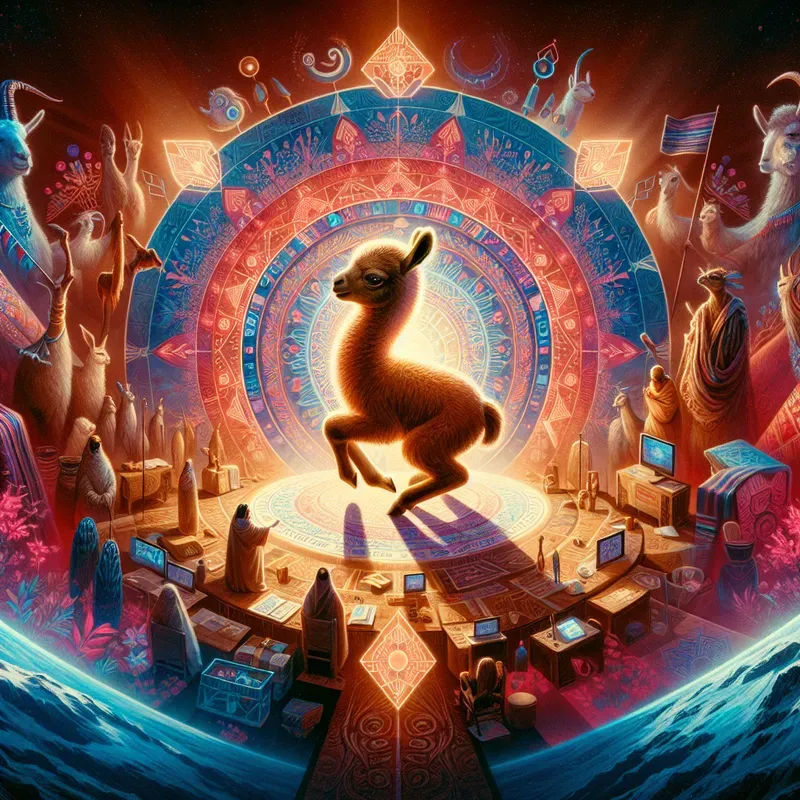
Illustration by DALL·E 3
- What: The Pachamama ceremony intertwines agriculture, spirituality, and cultural identity in the Andes.
- Where: Andean valleys
- When: Since time immemorial
- How: Through offerings of llama fetuses and local flora to Pachamama, the earth mother
- Why: It emphasizes the deep connection between identity and the earth, nurturing a sense of belonging and respect for life cycles.
In the Andes Earth the Heart Beats
High in the Andean valleys, where the air is thin and the earth whispers ancient secrets, the Pachamama ceremony unfolds like a vibrant tapestry. Here, against a backdrop of snow-capped peaks and terraced fields, offerings of llama fetuses, bundled with fragrant herbs and colorful textiles, are made to Pachamama, the earth mother revered by indigenous communities since time immemorial. Each offering pulses with the hopes of bountiful harvests and harmony with the land, echoing ancestral knowledge that stretches back through the centuries. Who knew that such profound spirituality could meld with agricultural practices in this breathtaking landscape?
The Pachamama Ritual a Tapestry of Culture
Rooted deeply in the cultural soil of the Andes, the Pachamama ritual transcends time, embodying a unique fusion of agriculture, spirituality, and identity. Anthropologists have documented this enduring tradition since at least the 15th century, revealing how communities cultivate both the land and their beliefs in an intricate dance. Participants invoke the spirit of Pachamama with offerings of llama fetuses alongside local flora, such as coca leaves and the vibrant chicha drink. Each gesture, each plant, serves not only as a plea for fertility but as a symbol of connection to ancestry and the earth itself. The surprising fact? These llama offerings, once discarded and considered morbid by outsiders, are pivotal; they reinforce a worldview that celebrates life cycles, interweaving birth and death with the very fabric of agricultural prosperity.
Its Echo Remains Because We Look to the Earth
The resonance of the Pachamama tradition extends into the present day, infusing contemporary agricultural practices with its ancient wisdom. Modern farmers, inspired by these rituals, embrace sustainable methods, reaffirming their bond with the land. Its cultural significance reverberates in art, music, and community gatherings, reminding us of our shared human connection to nature and the importance of stewardship. In a world increasingly detached from its roots, the Pachamama ceremony stands as a poignant reminder that our identities are interwoven with the earth, nurturing a sense of belonging and respect for the sacred cycle of life.
Did You Know?
The Pachamama ceremony typically occurs during the month of August, often associated with the Andean agricultural calendar, but is distinct from 'Inti Raymi,' which is celebrated in June.
In 2015, the United Nations recognized Pachamama as a symbol of indigenous rights, emphasizing the significance of earth stewardship in global discussions on climate change.
Many rituals also incorporate specific local plants believed to have protective qualities, showcasing a profound relationship with biodiversity in Andean cultures.
Keep Exploring
CurioWire continues to uncover the world’s hidden histories — one curiosity at a time.
Sources & References
- Anthropological journals on Andean rituals
- Indigenous rights organizations
- Research on agricultural practices in the Andes