
🧪 Echoes from the lab
Beneath Antarctica's Ice, Life Thrives in Extreme Conditions
sciencePublished 10 Dec 2025
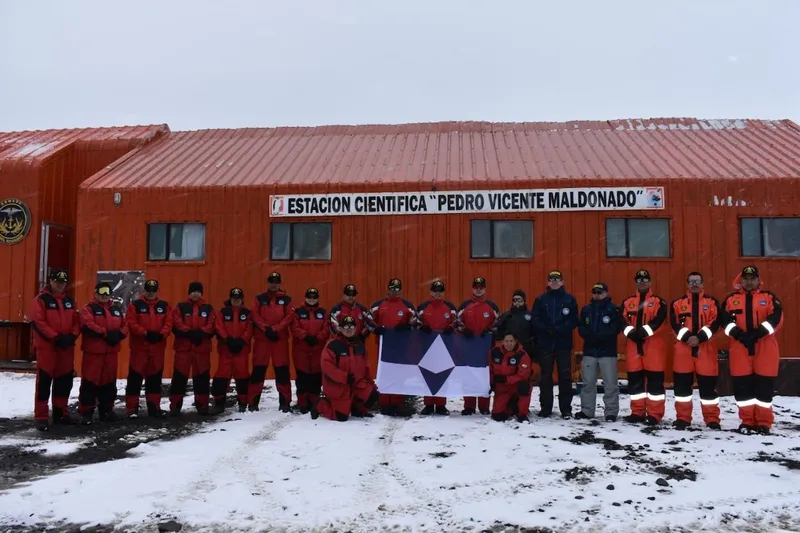
Image by Evan Townsend — CC0
- What: Beneath Antarctica’s ice, microbial communities thrive in extreme geothermal environments.
- Where: Antarctica
- When: Ongoing research
- How: These organisms metabolize sulfur and iron, defying traditional limits of life.
- Why: Their survival challenges our understanding of biology and has implications for ecology and the search for extraterrestrial life.
Incredible Microbial Communities Challenge Life's Limits
Beneath the thick, frigid ice of Antarctica lies a hidden world where life endures against all odds. Researchers have discovered microbial communities thriving in extreme geothermal environments, existing far beyond the traditional perception of life's boundaries. In a groundbreaking study, a team of scientists conducted geochemical analyses of subglacial water samples and found these organisms capable of metabolizing sulfur and iron, a revelation that defies our understanding of biological resilience. How do these tiny life forms survive where few would think to look?
Astounding Discoveries Rewrite the Rules of Biology
In one of the planet's harshest landscapes, the survival of these microorganisms poses a profound question: what does life really need to thrive? Researchers were astonished to find that beneath layers of ancient ice and miles of snow, these microbes flourish in water temperatures that swing wildly, juxtaposing heat from geothermal vents against the bone-chilling cold of their icy environment. Genetic studies of these resilient beings are ongoing, yet their ability to metabolize sulfur and iron marks a pivotal moment in our comprehension of extremophiles. This discovery challenges long-held notions of where life can exist, pushing the boundaries of astrobiology and igniting imaginations about potential life on other celestial bodies where similar extreme conditions may prevail. The metabolic pathways involved remain a mystery, leaving scientists eagerly looking to unlock the secrets buried beneath ice and stone.
Why This Discovery Matters for Science and Beyond
The implications of these findings extend beyond mere academic pursuit; they resonate deeply within the realms of ecology, climate science, and even the search for extraterrestrial life. As climate change poses significant threats to polar ecosystems, studying these microorganisms allows scientists to better understand their role in biogeochemical cycles and the potential impacts of environmental shifts. Furthermore, the resilience displayed by these Antarctic microbes serves as a metaphor for survival amid adversity, prompting reflection on the potential for life to endure and adapt, not just on Earth but among the stars. What other secrets remain hidden in our planet’s most extreme corners?
Did You Know?
Microbes discovered in the Antarctic can survive temperatures as low as -12°C, thriving in shockingly hostile environments.
These extremophiles can utilize sulfur for energy, a process thought to be restricted to specialized bacteria found in hydrothermal vents.
Researchers estimate that Antarctic subglacial lakes may contain over 400 separate ecosystems, each with unique microbial communities.
Keep Exploring
CurioWire continues to uncover the world’s hidden histories — one curiosity at a time.
Sources & References
- Scientific journal on extremophiles
- Research body focused on Antarctic ecosystems
- Archive of climate change studies