
🏺 Recovered from the dusty archives
The Lost Civilization That Cultivated Crops in the Sahara
historyPublished 10 Dec 2025
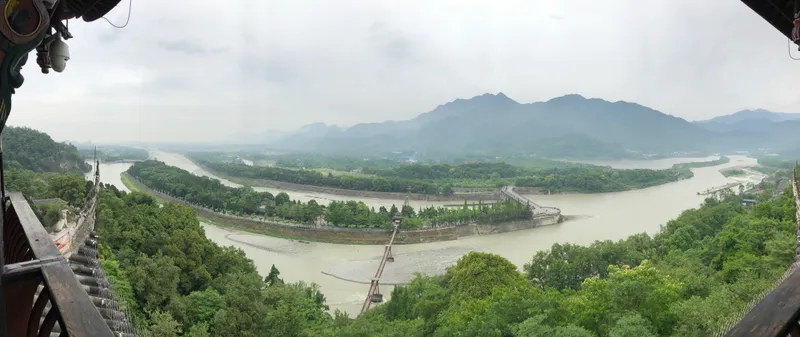
Image by 星星 — CC BY-SA 4.0
- What: Researchers have uncovered evidence of an ancient civilization in the Sahara that cultivated crops using innovative irrigation techniques.
- Where: Sahara Desert
- When: Thousands of years ago
- How: They likely harnessed seasonal floods to channel water for agriculture.
- Why: Understanding their adaptation strategies can inform modern agricultural practices in the face of climate change.
Hidden Beneath the Sands of Time
Imagine a thriving civilization flourishing in one of the hottest deserts on Earth. Researchers have uncovered evidence that beneath the Sahara, remnants of ancient cultures, including possible irrigation systems, date back thousands of years. How did these early innovators cultivate crops in a world turned barren by climate change?
Revealing the Ancient Irrigation Systems
In the heart of the Sahara, discoveries at ancient sites like Nabta Playa in Egypt and remnants of structures in southern Mauritania reveal the ingenuity of prehistoric cultures. Archaeologists suggest that these early agrarians may have harnessed seasonal floods to channel water for agriculture, a feat that enabled them to grow essential crops despite the arid environment. With tools crafted from stone and knowledge passed down through generations, these cultures predated the famed Nile Valley workers and showcased humanity's persistent quest to adapt and survive. Researchers from the University of Chicago's Oriental Institute continue to examine these sites, unearthing artifacts that challenge our perception of ancient desert inhabitants and their ability to flourish amidst climatic adversity.
Lessons of Adaptation and Resilience
This remarkable story reminds us of the impressive capabilities humans possess to adapt to changing environments. The irrigation practices of these ancient societies hint at a deeper truth: civilization evolves through innovation and resilience. As modern researchers study climate adaptation, such as the recent findings from the Global Environmental Change journal, the lessons learned from this lost Sahara culture could inspire current strategies. Understanding how they faced climate challenges has profound implications for today’s world, where climate extremes continue to threaten agricultural systems. What other secrets lie buried beneath the sands, waiting to reshape our understanding of human ingenuity?
Did You Know?
Ancient Egyptians are not the only people to revolutionize agriculture; similar sophisticated irrigation systems have been discovered across various desert regions, showcasing parallel innovation.
Historical records indicate that areas in the Sahara that hosted extensive farming up until around 4000 BC were drastically altered by the onset of a drier climate, shaping subsequent human migration and lifestyle.
Recent studies suggest that the advanced techniques employed by these Saharan civilizations could inform modern agricultural practices, especially in areas facing severe drought.
Keep Exploring
CurioWire continues to uncover the world’s hidden histories — one curiosity at a time.
Sources & References
- National Geographic Archives
- Journal of Environmental Archaeology
- Smithsonian Institution Research Publications