
🫀 Secrets of the human vessel
The Hidden Truth About Our Sleep Patterns and Evolution
healthPublished 08 Dec 2025
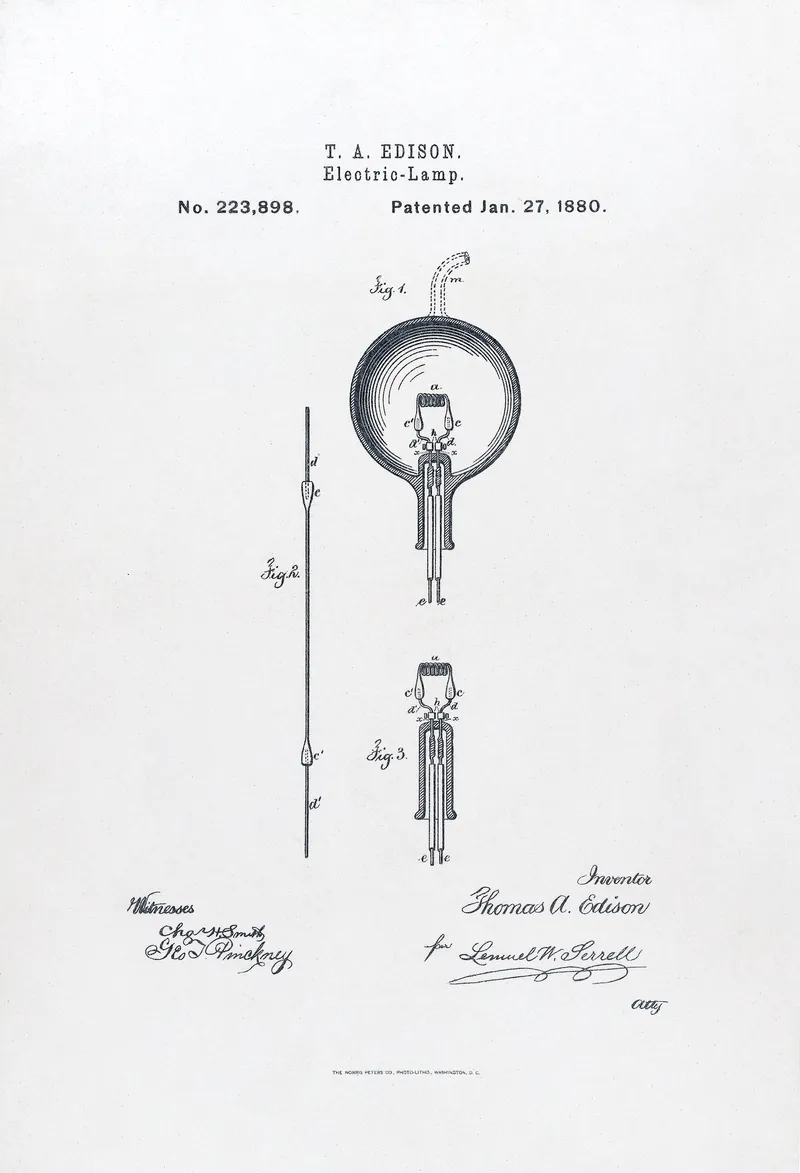
Image by the Norris Peters Co. - Public domain
- What: Human sleep patterns have evolved to align closely with natural light cycles.
- Where: Worldwide, with a focus on early human environments
- When: Throughout human history, particularly before the late 19th century
- How: By adapting sleep-wake cycles to the natural rhythms of day and night
- Why: Understanding these patterns can help address modern health issues related to sleep deprivation.
Our Biological Clocks Are Out of Sync
Imagine a world where the sun dictates the rhythm of daily life, and the moon’s pull sets the stage for restful slumber. This was the existence of our ancestors, whose natural sleep-wake cycles varied slightly longer than the modern 24-hour day, with some studies suggesting a range of approximately 24 hours to 24.2 hours. Yet, within the convenience of contemporary life, we swiftly abandoned these rhythms, trading moonlit nights for glowing screens. This misalignment between our biological clocks and societal expectations raises questions about the long-term implications for health and well-being.
Ancient Insights on Modern Sleep Issues
In the heart of history lies a profound insight into human existence: a natural inclination toward the cycles of day and night. Anthropological studies reveal that early humans thrived in a dimly lit environment. They followed the sun, sleeping shortly after dusk and awakening with dawn. Their lives were rhythmic, driven by natural cues rather than the harsh brightness of artificial lights. With the introduction of electricity in the late 19th century, this link began to fray. As individuals started to stay up later and wake later, studies began to indicate a disturbing trend. The American Academy of Sleep Medicine notes that a significant portion of adults report insufficient sleep, leading to chronic conditions including obesity, diabetes, and cardiovascular disease. Chronic sleep deprivation has become a silent epidemic influenced by our disregard for our ancestral instincts, showcasing a striking contrast between our modern conveniences and the innate biological needs that have been honed over millennia.
The Relevance of Our Evolutionary Sleep Patterns
The reason this matters today is that understanding our evolutionary sleep patterns provides critical insights into the health crises we face. Much like our ancestors, who adapted to their environment's rhythms, present-day individuals can benefit from aligning their habits with their natural inclinations. A recent study published in a reputable journal demonstrated that people who adhered to sleep patterns congruent with their biological clocks experienced significantly lower risks of developing chronic ailments. As modern society continues to grapple with sleep disorders, the lessons from our evolutionary history urge us to reconsider our relationship with light and time. Perhaps it is not merely a matter of sleepiness; rather, it is the allure of convenience that challenges our well-being. This ongoing battle between our ancient biology and modern society's rhythms invites us to explore new ways to harmonize these two conflicting worlds.
Did You Know?
The human brain produces a hormone called melatonin, which regulates sleep cycles, primarily in response to darkness. This process demonstrates our deep evolutionary connection to natural light patterns.
In Arctic regions, some indigenous people follow a unique sleep pattern due to extreme variations in daylight, showcasing adaptability in maintaining health and well-being despite environmental challenges.
Research has shown that around 70 million Americans suffer from sleep disorders each year, a statistic that illustrates the widespread impact of modern life on our ancient biology.
Keep Exploring
CurioWire continues to uncover the world’s hidden histories — one curiosity at a time.
Sources & References
- The American Academy of Sleep Medicine
- Journal of Sleep Research
- Anthropological Studies on Human Sleep Patterns