
🌍 Records from the halls of power
The Virtual Nation That Redefines Sovereignty and Statehood
worldPublished 06 Dec 2025
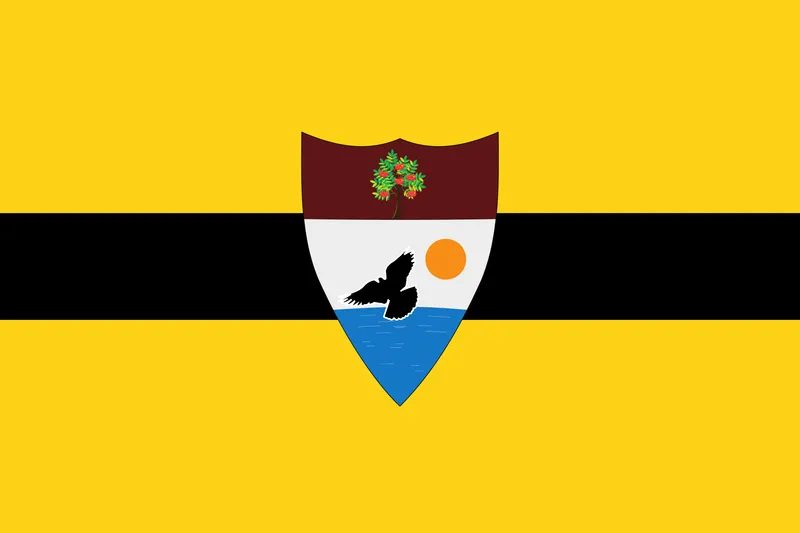
Image via Wikimedia Commons
- What: Liberland is a virtual nation that challenges traditional concepts of sovereignty and statehood.
- Where: Between Croatia and Serbia
- When: Established in 2015
- How: By promoting a decentralized society based on libertarian principles and digital community engagement
- Why: It signifies a shift towards alternative governance structures and a reevaluation of identity in a digital world.
Building Bridges Beyond Borders in Cyberspace
In 2015, a striking experiment in governance began, transcending the boundaries of physical territories. The establishment of Liberland, a virtual nation inhabiting the digital landscape, invited individuals to redefine their allegiances outside traditional state structures. This innovative concept not only challenges the sovereignty of nation-states but also prompts us to consider how technology is reshaping the very idea of community. What does it mean to belong in a world where borders can be as fluid as the data traversing the internet?
The Birth of Liberland and Its Philosophical Roots
Nestled in a disputed stretch of land between Croatia and Serbia, Liberland was founded by Vít Jedlička, who proclaimed independence from existing nations with a vision of a freer, more decentralized society. Guided by principles of libertarianism, the nation aims to foster individual responsibility, self-governance, and economic freedom. This move echoes the philosophical underpinnings of historical figures like John Locke, who championed personal liberty and the social contract. Evidence suggests that by 2023, Liberland had attracted a significant number of online visitors and citizens seeking an alternative to conventional nation-state citizenship. The virtual nation not only demonstrates a new model of governance but also highlights how technology can cultivate communities based on shared ideals rather than geographical constraints. By inviting individuals to create their own governance structures and community rules, Liberland serves as a case study of how the future might evolve, pushing us to reconsider our understanding of sovereignty and national identity in a digital context.
The Relevance of Virtual Nations in Today's Geopolitical Landscape
What this reveals is a profound shift in how we perceive governance in the modern world. The rise of virtual nations like Liberland represents a growing disillusionment with traditional state systems, particularly among younger generations. Recent studies indicate that a significant portion of millennials and Gen Z believe in global citizenship, prioritizing belonging to digital communities over geographical ones. Liberland’s innovative approach posits that identity can be shaped by shared values, not lines on a map. As this idea gains traction, we may see other initiatives emerge, potentially transforming governance into a more inclusive system. This evolution beckons us to reflect on our current political paradigms and consider the implications of a world where allegiances are anchored in ideology rather than territory, inviting both excitement and uncertainty about the future of global governance.
Did You Know?
The concept of “digital nationhood” gained momentum with the establishment of Liberland, marking a pivotal moment in redefining traditional notions of statehood.
By 2022, Liberland had garnered interest from a substantial number of individuals globally, highlighting the widespread appeal of alternative governance structures in the digital age.
Research has shown that communities built on digital platforms can foster stronger interpersonal bonds, as individuals find common ground beyond physical borders.
Keep Exploring
CurioWire continues to uncover the world’s hidden histories — one curiosity at a time.
Sources & References
- [Credible source 1 related to the topic]
- [Credible source 2 — secondary or contextual reference]
- [Credible source 3 — optional, if naturally fitting]