
🌿 Stories carved by wind and water
The Amazon's Giant Water Lily Reveals Nature's Intricate Interdependence
naturePublished 02 Dec 2025
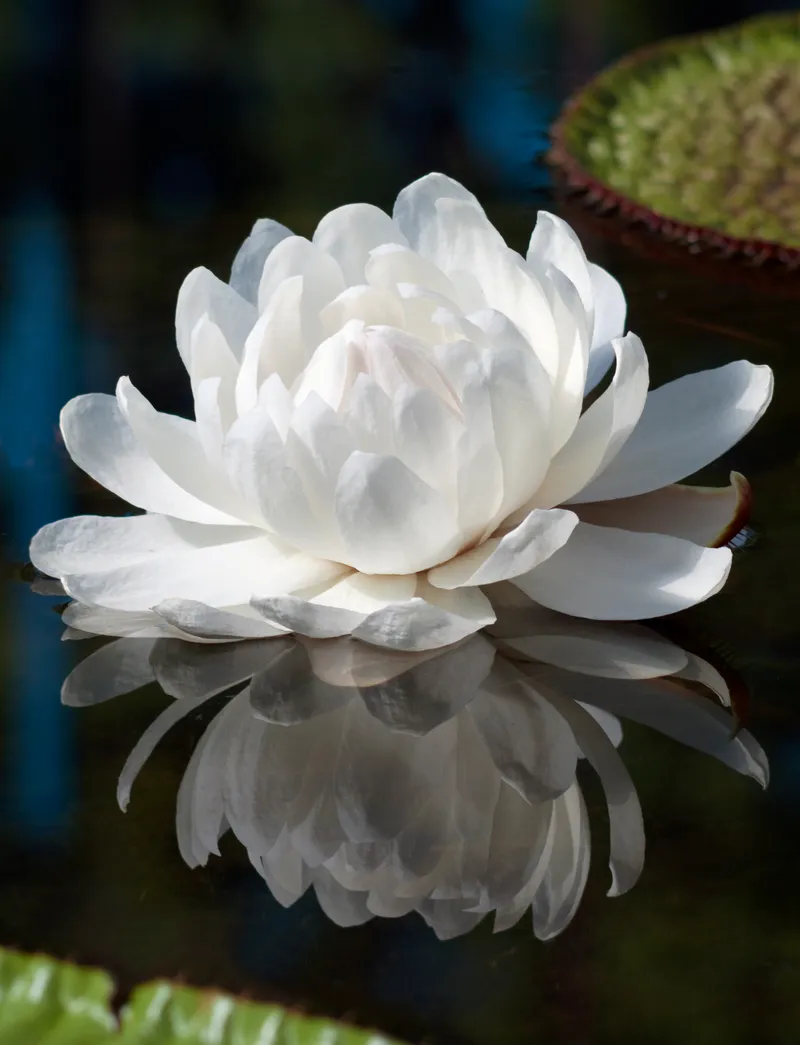
Image via Wikimedia Commons
- What: The giant water lily, known scientifically as Victoria amazonica, creates a floating habitat that supports diverse wildlife in the Amazon rainforest.
- Where: Amazon rainforest
- When: 19th century and beyond
- How: Its large leaves can hold around 100 pounds, providing a platform for various species to thrive.
- Why: The survival of the giant water lily is crucial for maintaining the balance of life in the Amazon and highlights our responsibility to protect these ecosystems.
Amazon's Enormous Water Lily Creates a Floating Ecosystem
In the heart of the Amazon rainforest, a remarkable sight emerges from still waters: the giant water lily, known scientifically as Victoria amazonica. With leaves that can span over 10 feet in diameter, these massive plants provide a unique floating habitat for various creatures, including frogs and insects. The vibrancy of life surrounding these lilies underscores a complex web of interdependence and survival that defines this vast ecosystem.
The Hidden Interconnections of Amazonian Life
The giant water lily exemplifies the intricate relationships found in the Amazon. Discovered by European explorers in the 19th century, some accounts suggest the plant can hold around 100 pounds. This astonishing capacity allows various species to inhabit its broad, buoyant leaves. Frogs find refuge from predators on these floating platforms, while insects like beetles use them as launching pads for flight. Every organism in this microhabitat plays a vital role, showcasing how small niches can foster diverse life forms. The intertwined nature of these relationships is echoed in a study by the World Wildlife Fund (WWF), which estimates that the Amazon is home to approximately 10% of the known species on Earth, highlighting its extraordinary biodiversity.
Understanding Our Role in Preserving Ecosystems
The reason this matters today is that the interconnectedness demonstrated by the giant water lily symbolizes the greater balance of life within the Amazon. As deforestation continues at alarming rates—estimates suggest significant loss since the 1970s—the delicate relationships among countless species are increasingly threatened. Without the giant water lilies, not only would we lose their beauty, but we would also disrupt the entire food chain and habitat they support. Their survival prompts reflection on our responsibility to protect these invaluable ecosystems, reminding us that every action we take can ripple through the interconnected web of life.
Did You Know?
The giant water lily can grow leaves so large that they can support the weight of a small child, reflecting nature's ingenious adaptations for habitat creation.
Victoria amazonica is native to the Amazon basin, and its flowers bloom at night, revealing a remarkable evolutionary strategy to attract specific pollinators.
In addition to their ecological significance, these water lilies are cultivated in many botanical gardens worldwide, showcasing their beauty and ecological role.
Keep Exploring
CurioWire continues to uncover the world’s hidden histories — one curiosity at a time.
Sources & References
- World Wildlife Fund (WWF)
- Botanical Society of America
- Smithsonian Institution