
🛍️ Artifacts of human ingenuity
The Textile That Blends Nature with Human Craft
productsPublished 01 Dec 2025
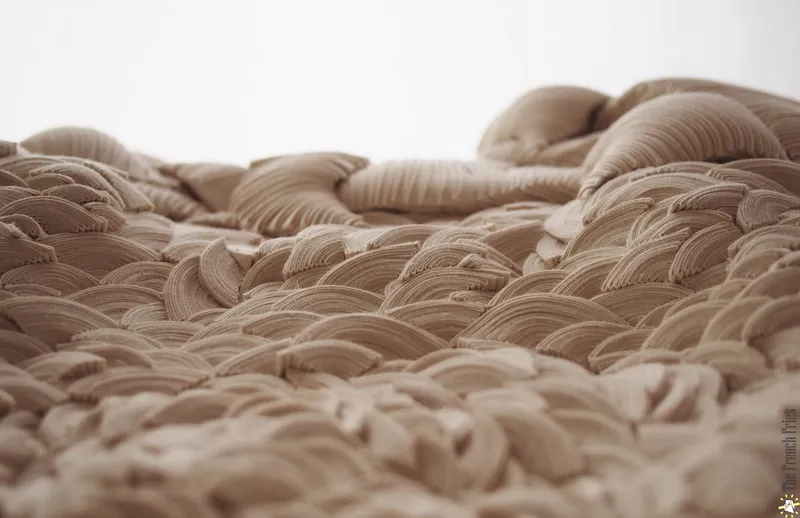
Image via Wikimedia Commons
- What: Textiles that incorporate real leaves and other organic materials are reshaping the fashion industry.
- Where: Global fashion landscape
- When: Contemporary era
- How: By merging natural elements with innovative design, these fabrics challenge traditional production methods.
- Why: This movement towards sustainability reflects a growing awareness of environmental issues and the potential for fashion to convey deeper messages about consumption.
Fashion's New Fabric Revolution
Today, the fashion landscape is evolving with textiles that seamlessly integrate organic elements, such as real leaves, into clothing. This innovative approach challenges traditional notions of fabric design and production. Each year, over 100 million tons of textiles are discarded worldwide, prompting a shift towards sustainability that mirrors our growing environmental consciousness. Yet, the origins of such fabric innovations reveal a richer narrative rooted in resilience and creativity.
Roots of the Leafy Invention
The concept of integrating natural materials into clothing is not new; various designers have experimented with unconventional materials over the decades, transforming waste into high fashion. This bold initiative serves as both an artistic statement and a commentary on the rampant wastefulness of the fashion industry. The growing environmental movement has inspired collections showcasing garments that transform everyday refuse into wearable art. These designs highlight textiles' potential to convey deeper messages regarding consumption and sustainability.
The Enduring Importance of Fabric Innovation
The influence of this movement remains strong as the quest for sustainability in the fashion industry resonates with contemporary designers and consumers alike. Today’s garments incorporate natural materials not just as a trend but as a fundamental shift in how we perceive design and production processes. The interplay between elegance and eco-awareness in textiles serves as a reminder that fashion can be both beautiful and sustainable. As we strive for a greener future, the legacy of integrating organic materials into clothing inspires ongoing innovation.
Did You Know?
1. The practice of utilizing recycled materials in textile production has gained traction, with several brands now prioritizing sustainability in their designs.
Innovative fabric technologies continually evolve, making it possible to blend textiles and organic materials seamlessly, reflecting a broader trend toward environmental responsibility in manufacturing.
Keep Exploring
CurioWire continues to uncover the world’s hidden histories — one curiosity at a time.
Sources & References
- Fashion Institute of Technology — Sustainable Fashion Research
- Journal of Textile Science — Innovations in Eco-Friendly Fabrics
- World Wildlife Fund — Textile Waste and Sustainability
As an Amazon Associate, CurioWire earns from qualifying purchases.